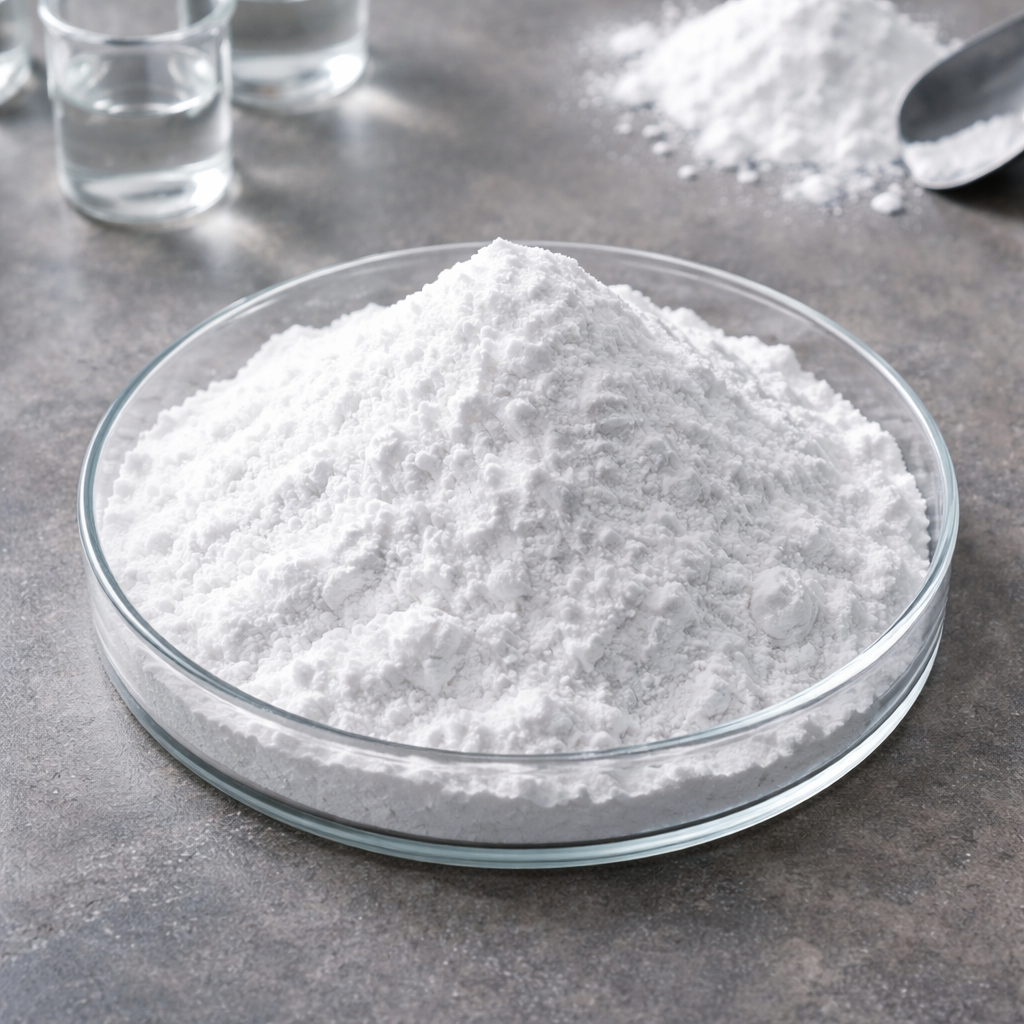
(April 16, 2026)In the second quarter of 2026, the silica industry will bid farewell to the simple cost-driven logic and move to a new growth stage of downstream demand upgrading, technical route iteration, and application scenario expansion. The explosion of demand in new energy, green tires, silicone rubber, food and medicine and other fields is driving the industry to shift from scale competition to value competition, and structural shortages and capacity optimization are staged simultaneously.
1. Drastic changes in demand structure: emerging tracks drive high growth
The proportion of silica for traditional rubber has gradually declined, and high value-added areas have become the core of growth:
Green tires just need to explode
High-dispersion silica can reduce rolling resistance and improve wear resistance, and has become the standard configuration of low-carbon certification for tire companies, and the purchase volume of domestic leading tire companies has increased by more than 25% year-on-year.
Demand for new energy and electronics has surged
The demand for high-purity silica for lithium battery separators, photovoltaic adhesives, and electronic potting adhesives has grown by 30%, and high-purity, low-metal ion products are in short supply.
Silicone rubber and daily chemicals continue to expand
high-temperature glue and liquid adhesive drive the prosperity of reinforcement grade silica; The volume and price of compliant products such as food anti-caking agents and toothpaste friction agents rose sharply, and export orders increased by more than 20% year-on-year.
The market presents a pattern of "ordinary products under pressure and high-end products in short supply", with obvious differentiation in the industry operating rate and high-end production lines operating at full capacity.
2. Technology and capacity upgrading: green technology has become the entry threshold
Environmental protection and energy efficiency policies have accelerated the industry reshuffle, and low-carbon technology and large-scale production capacity have become mainstream:
The CO₂ acidification method has been implemented on a large scale
Shandong's 60,000 tons/year green process project announced that compared with the traditional sulfuric acid method, wastewater emission reduction by 80% and energy consumption by 25%, has become the mainstream direction of new projects.
Accelerated clearance of backward production capacity
Many places eliminated small plants below 15,000 tons/year, restricted energy-consuming processes, and continued to increase industry concentration, with CR10 rising to 42%.
Circular economy has become standard
Leading enterprises have realized the closed-loop utilization of silicon slag, waste heat, and acidic water, with the yield of silicon elements exceeding 96% and the comprehensive cost per ton reduced by more than 10%.
3. Market transmission: price increases are implemented, and profits are gradually repaired
With the support of demand, this round of price increases has been successfully transmitted downstream, and corporate profits have ushered in a repair window:
In April, the main producing areas collectively raised by 500 yuan/ton, superimposed on the price adjustment in March, with a cumulative increase of 800 yuan/ton, and the mainstream quotation was 6300-7000 yuan/ton.
The acceptance of downstream tire and silicone rubber enterprises has increased, and the "buying up" stocking has led to the rapid removal of inventory and accelerated channel turnover.
The high price of sulfuric acid and other raw materials has stabilized, the marginal cost pressure has eased, and the gross profit margin of leading enterprises has gradually recovered.
4.The market outlook: value upgrades dominate the future of the industry
short-term prices remain high and volatile, and cost and demand are supported in both directions; Complete change in medium and long-term industry logic:
Product structure upgrade: ordinary fillers are transformed into functional materials, and high-purity, special, and nanoscale products have become the core of profits.
Globalization is accelerating: domestic high-end silica replaces imports, and exports penetrate into high-end markets in Europe, America, and Southeast Asia.
Industry pattern solidification: Leading companies continue to expand with their technology, cost and compliance advantages, and small and medium-sized enterprises accelerate their exit.
Silica is upgrading from a basic chemical to a key functional material supporting the new energy and new material industries, and 2026 is expected to be a key year for the reshaping of the industry's value.