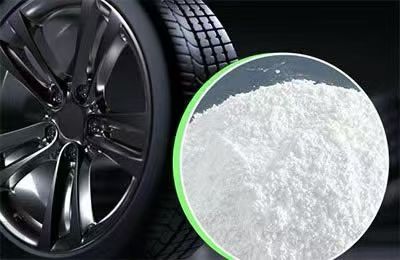
(News on April 16, 2026)Entering the second quarter of 2026, the domestic silica industry is showing a complex trend of "continued high pressure on the cost side, significant recovery on the foreign trade side, and accelerated upgrading on the industrial side." Under the intertwining of the triple factors of sulfuric acid, the core raw material, stricter environmental protection policies and the recovery of overseas demand, the industry is undergoing profound changes in price adjustment, production capacity optimization and technological innovation.
1. Sulfuric acid surged to a 20-year high, and silica faced a concentrated price increase.
Affected by the sulfur supply crisis caused by the geopolitical conflict in the Middle East, the centralized maintenance of domestic equipment and the rigid release of downstream demand, the price of core raw material sulfuric acid has started to rise at an "epic level" since March. Data show that the benchmark price of sulfuric acid has risen to 1,800 yuan/ton on April 7, an increase of nearly 50% from early March and an increase of more than 150% from the low in 2025, setting a new high in the past 20 years.
The unit consumption of sulfuric acid accounts for about 18%-22% of the production cost of silica. This surge has directly led to an increase in the cost of silica per ton by about 300 yuan. In order to cover the cost gap and ensure stable production, enterprises in major production areas such as Fujian, Shandong, and Jiangxi have intensively issued price adjustment letters: starting from April 2, the price of all series of precipitated silica products will be raised by 500 yuan/ton; combined with the first round of price adjustments in early March, the industry's cumulative increase has reached 800 yuan/ton. The current mainstream quotation price of rubber-grade silica has reached 6,300-7,000 yuan/ton, an increase of 12%-18% from the end of 2025.
Despite the substantial price adjustment, industry insiders said that the 500 yuan/ton increase has not fully covered the cost increase. Most companies are in a state of "passive loss-making" and profit margins continue to be compressed. Price pressure has been transmitted to downstream tire, silicone rubber, paint and other industries, and downstream companies have gradually accepted price increases.
2. Overseas demand has recovered intensively, and the export volume and price of high-end products have increased.
In contrast to domestic cost pressure, the silica foreign trade market is ushering in a strong recovery. As the global downstream industries such as tires, silicone rubber, and coatings resume work and production at an accelerated pace, orders from Southeast Asia, Europe, and the Middle East are returning intensively, and China's silica exports have increased significantly month-on-month.
Customs and industry data show that since April, export orders for highly dispersible, food-grade, green and low-carbon high-end silica products have increased by more than 20% year-on-year, with demand exceeding supply. With its cost-effectiveness and stability advantages, domestic silica is accelerating to replace international brands, especially in high-end applications such as green tires and new energy battery separators, and its recognition continues to increase.
3. Green and low-carbon become the mainstream, and new projects and technological transformation are promoted simultaneously.
The continued tightening of environmental protection policies is accelerating the reshuffle of the industry, and greening, low-carbonization, and clustering have become the main lines of development.
New project implementation: In early April, the 200,000 tons/year carbon dioxide acidification silica project (Phase I) with a total investment of 1.02 billion yuan was announced in Weifang, Shandong. The project adopts an environmentally friendly carbon dioxide acidification process, with an annual output of 60,000 tons in the first phase. It is expected to be put into production in February 2027, which will effectively alleviate the supply gap of high-end green silica.
Elimination of backward production capacity: Jiangsu, Shandong and other places have accelerated the implementation of chemical industry adjustment policies, restricted non-gas phase methods and non-carbon dioxide acid process equipment, and eliminated ordinary-grade silica production capacity below 15,000 tons/year. Leading companies such as Sanming Fengrun Chemical invested 43 million yuan to implement technical transformation and replaced coal-fired hot blast furnaces with gas equipment to respond to the low-carbon requirements of "coal to gas".
Accelerating technological upgrades: Through AI optimized reaction control, by-product resource recycling and other technologies, leading companies have increased the silicon yield to 96.8% and reduced steam consumption per ton to less than 1.8 tons. The industry is shifting from "scale expansion" to "quality and efficiency" competition.
4. The market structure is reshaped, with clear trends of high-end and centralization
Currently, the total domestic production capacity of silica exceeds 2.5 million tons per year, but the operating rate is only about 75%. The contradiction between structural excess and high-end shortage is prominent. The traditional rubber field accounts for about 65%, while the demand for special applications such as silicone rubber, food and medicine, and new energy batteries is growing at a double-digit rate, promoting the upgrading of products to high dispersion, high purity, and functionality.
Industry concentration continues to increase, with CR10 (concentration ratio of the top ten companies) rising from 28% in 2021 to 42% in 2026. Leaders such as Quecheng Technology, Jinneng Technology, and Black Cat Technology have continued to expand their market share by virtue of their scale, technology, and industrial chain advantages.
Outlook
In the short term, silica prices will remain high, with cost pressures and export dividends coexisting; in the medium and long term, green and low-carbon technology, high-end product research and development, and global layout will become the core competitiveness of enterprises. As backward production capacity continues to be cleared, new projects are gradually put into production, and downstream high-end demand increases, the industry is expected to gradually achieve "stabilization of volume and price, and restoration of profitability" in the second half of 2026, moving towards a new stage of high-quality development.