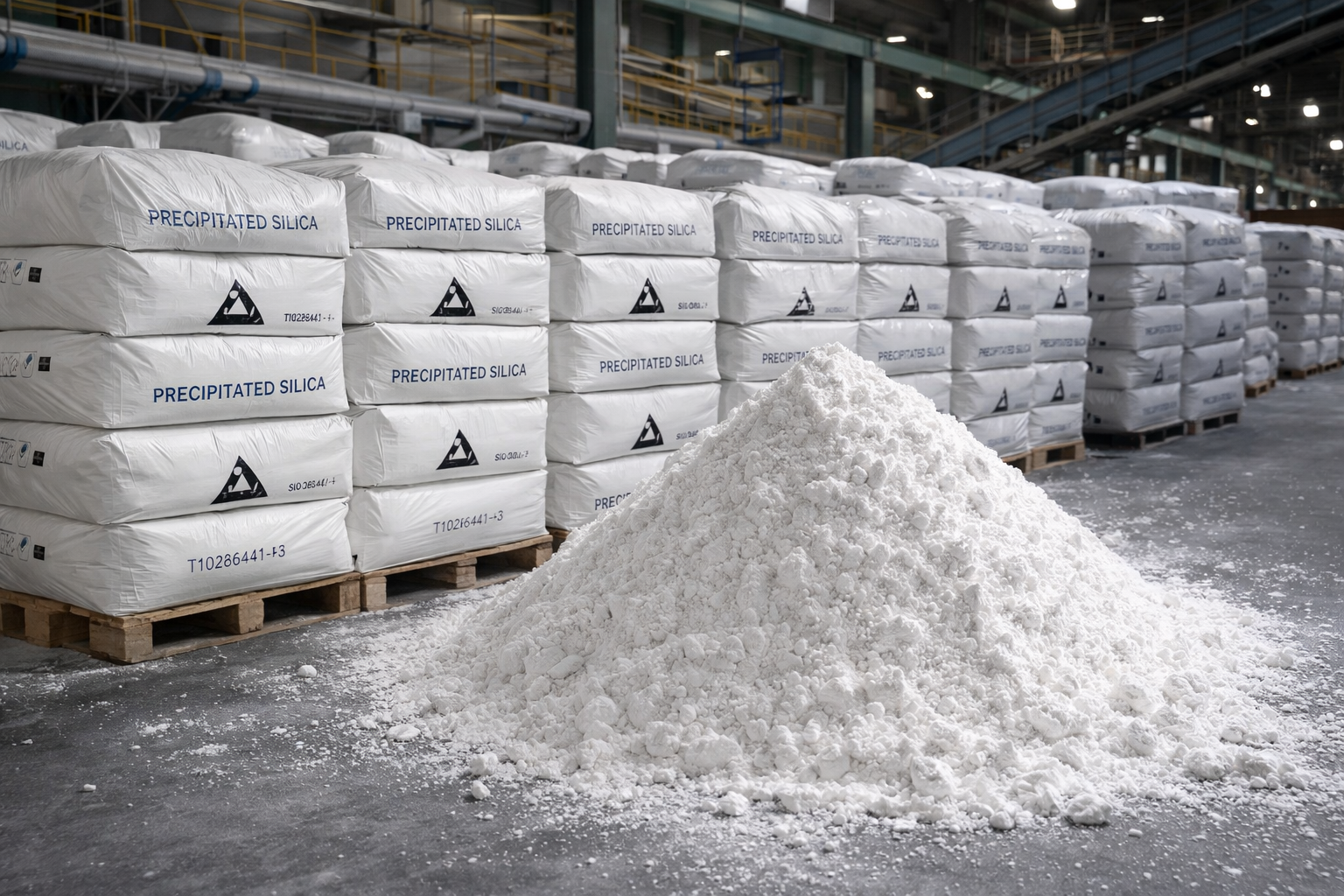
April 13, 2026: In recent years, the domestic silica industry has gradually broken away from the traditional pattern of “homogeneous competition” by leveraging the resource endowments of various regions, policy incentives, and the advantages of downstream industrial clusters. This has led to a differentiated development pattern characterized by “high-end concentration in the east, green transformation in the central region, and capacity expansion in the west.” Regional cooperation and industrial synergy have become new driving forces for the high-quality development of this industry.
Eastern Production Areas: High-End Concentration, Seizing Key Positions in the Industrial Chain
The eastern silica production areas, centered around Shandong, Jiangsu, and Zhejiang, have become the core hubs for high-end silica products due to their proximity to downstream high-end manufacturing clusters, strong technical research capabilities, and convenient logistics. These regions focus on developing products with high dispersity, high purity, and customized properties, particularly in areas such as new energy technologies, electronic materials, and high-end coatings.
Shandong, the province with the largest silica production capacity in China, added over 80,000 tons of high-end production capacity in the first quarter of 2026. It is actively promoting the implementation of green production processes such as those based on carbon dioxide acidification. Many leading enterprises have established research and development centers in this region, focusing on developing silica products for use in lithium battery separators and semiconductor polishing applications. The added value of these specialized products is 2 to 3 times higher than that of traditional general-purpose silica products.Jiangsu and Zhejiang, leveraging their strengths in the new energy vehicle and electronic information industries in the Yangtze River Delta region, have focused on developing customized silica products that precisely meet the individual needs of downstream enterprises. The proportion of their products exported overseas has exceeded 60%, making them core hubs for the export of high-end silica products in China.
Central Regions: Green Transformation for Competitive Advantages at Low Costs
Central regions such as Jiangxi, Anhui, and Henan, taking advantage of their abundant silicon and coal resources as well as well-developed chemical infrastructure, have focused on green and large-scale production to create integrated industrial chains that cover raw materials, production, and application. This approach has helped them gain a competitive advantage due to lower costs. These areas are the main suppliers of general-purpose silica in China. At the same time, they are accelerating the upgrading of traditional production processes and gradually shifting towards the production of mid-to-high-end products.
Among them, Jiangxi, with its rich quartz sand resources, has become a major producer of sedimentation-based silica. The local government has introduced special policies to encourage enterprises to adopt green production technologies, phase out outdated capacity, and promote cluster development. As a result, a silica industry cluster with an annual production capacity of over 500,000 tons has been established. The products from this cluster are mainly used in traditional sectors such as rubber and daily chemicals, offering significant cost-performance advantages.Anhui has focused on developing fumed silica for use in photovoltaic films. By leveraging the advantages of the local photovoltaic industry cluster, it enables “local supply,” reducing logistics costs and enhancing market competitiveness.
Western production areas: capacity supplementation and development of new segments based on local resources
Western regions such as Sichuan, Guizhou, and Gansu have gradually become important supplementary bases for fumed silica production in China, thanks to their abundant resources of silica sand and sulfur. Relying on these resources, these areas focus on developing basic fumed silica products. At the same time, in line with the development needs of the local new energy and environmental protection industries, they are exploring new application areas.
Sichuan is leveraging its natural gas resources to expand its production capacity of fumed silica produced by the gas-phase method. This production is mainly supplied to rubber and coating companies in the southwest region, helping to fill local market supply gaps. Guizhou, on the other hand, is utilizing by-products from the phosphorus chemical industry to develop a “phosphogypsum-fumed silica” co-production model. This approach enables the recycling of waste materials, reduces production costs, and helps create a green and circular industrial model. The products produced in this way are mainly supplied to the construction materials and agriculture sectors in Guizhou and surrounding areas.
Targeted policies to promote regional coordinated development
In order to promote the coordinated development of the fumed silica industry at a regional level, local governments have introduced targeted policies to effectively support industrial upgrading.In the eastern regions, priority is given to supporting the development of high-end products and foreign trade exports, with policy measures such as research and development subsidies and export tax rebates provided. In the central regions, attention is focused on green transformation and the development of industrial clusters; efforts are made to improve infrastructure for the chemical industry, thereby reducing the production and operating costs of enterprises. In the western regions, greater support is provided for resource development and industrial advancement, encouraging enterprises to leverage local resource advantages to develop distinctive industries.
Industry experts point out that this pattern of differentiated regional development has effectively prevented homogeneous competition within the industry and enhanced the overall competitiveness of China’s silica gel industry. In the future, as regional coordination mechanisms continue to improve, the current development framework—where the east leads with high-end technologies, the central region provides green support, and the west complements with its distinctive industries—will become even more solid. Each region will leverage its own strengths to promote deeper integration across different segments of the industrial chain, driving the domestic silica gel industry toward higher quality and more sustainable development.