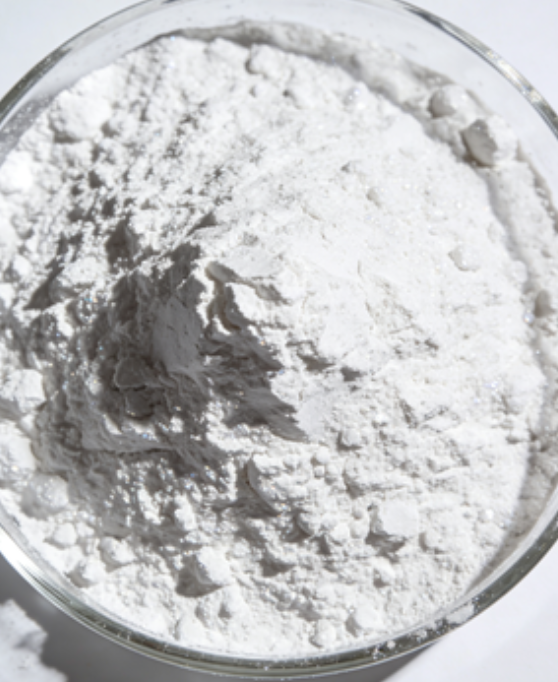
April 13, 2026: In the context of the rapid advancement of new materials technology worldwide, fumed silica, as a key functional filler, is entering a new phase of technological development characterized by innovations in formulation, composite modification, and precise control of properties. The focus of industry competition is shifting from simple cost and scale competition to the development of high-performance products based on materials science, providing better solutions for sectors such as chemicals, new energy, and advanced manufacturing.
I. Performance breakthroughs driven by formulation innovation; high-value-added products are being rapidly developed and launched
The current focus of fumed silica technology research and development is on two main areas: surface modification and composite formulations. By introducing additives such as coupling agents, silanes, and polymers, the surface of fumed silica can be chemically grafted or physically coated, significantly enhancing its compatibility and dispersion efficiency when combined with base materials like resins, rubbers, and coatings.
According to the latest industry developments, in the first quarter of 2026, several laboratories successfully developed new types of superhydrophobic fumed silica and highly insulating fumed silica. The superhydrophobic variants have a contact angle of over 150°, demonstrating potential to replace traditional fluorine-based materials in waterproof coatings and self-cleaning applications. The highly insulating variants have a volume resistivity exceeding 10¹⁵ Ω·cm, meeting the stringent insulation requirements of new energy battery electrodes and electronic packaging materials.The added value of these new models of products is 300% to 500% higher than that of traditional general-purpose products.
II. Composite manufacturing processes enable “1+1>2” effects, allowing for the precise fulfillment of specific application requirements. Another key aspect of these technological advancements lies in the development of composite powder materials. By combining silica with materials such as calcium carbonate, talc, nano-zinc oxide, and graphene, synergistic effects are achieved, enabling performance levels that are unattainable with single materials alone. For example, in the field of high-performance plastic modifications, the combination of silica with silicone-modified resins can increase the impact resistance of common plastics like polypropylene and nylon by more than 40%, while also significantly reducing the thermal expansion coefficient of these materials. In the ink and coating industry, composite powders made from silica and nano-titanium dioxide not only retain the excellent matting properties of silica but also greatly enhance the weather resistance and antibacterial capabilities of coatings, extending their service life outdoors by 2 to 3 times compared to traditional products. This “precision compounding” approach is increasingly becoming the core strategy for companies seeking to establish technological advantages.
III. Precise control over microscopic structures has ushered in a new era of “customized materials.” Thanks to advances in characterization techniques and manufacturing processes, it has become possible to precisely regulate microscopic properties such as the specific surface area, pore size distribution, and particle size distribution of silica.Traditional fumed silica products are usually supplied within specified parameter ranges, but by 2026, the industry is rapidly shifting towards “parameter customization”.
For high-end rubber products, companies can provide mesoporous fumed silica with pore sizes ranging from 2 to 50 nanometers, which effectively enhances the strength of the rubber structure, reduces heat generation during processing, and improves the wear resistance and aging resistance of the final products. To meet the needs of biomedical applications, mesoporous fumed silica with uniform and controllable pore sizes has been developed; when used as drug carriers, these materials can deliver twice or more the amount of medication and have superior sustained-release properties compared to traditional materials. Such products, designed with precise attention to their microscopic structure, significantly expand the potential applications of fumed silica in high-end medical fields and environmental purification technologies.
IV. Technology Empowers Green Production: Achieving a Closed Loop of “Research and Development – Application”
Technological innovation also greatly benefits the production process. By utilizing molecular simulation techniques, researchers can identify optimal reaction conditions and formulas in the laboratory through computer modeling, significantly reducing the development time for new fumed silica products from traditional 12–18 months to just 3–6 months, while also cutting development costs by more than 40%. Moreover, the integrated development of green synthesis processes and high-performance material research not only aims to achieve superior performance but also continuously optimizes energy consumption and emissions during production, thereby driving the industry towards greener and more efficient practices.V. Future Prospects: Moving from “fillers” to “functional materials” – continuous expansion of application areas
Looking ahead, the role of silica is shifting from that of a traditional passive filler to that of an active functional material. In 2026 and beyond, with the development of emerging industries such as artificial intelligence, quantum computing, and flexible electronics, research into the application of silica in cutting-edge fields such as semiconductor materials, flexible sensors, and energy storage devices will continue to advance.
Companies that possess fundamental research and development capabilities, advanced composite formulation techniques, and customized solutions will hold a dominant position in future market competition. The entire industry will undergo a transformation towards high-quality development characterized by “technology-driven growth and value creation”, and the application value of silica materials will be continuously explored and harnessed.