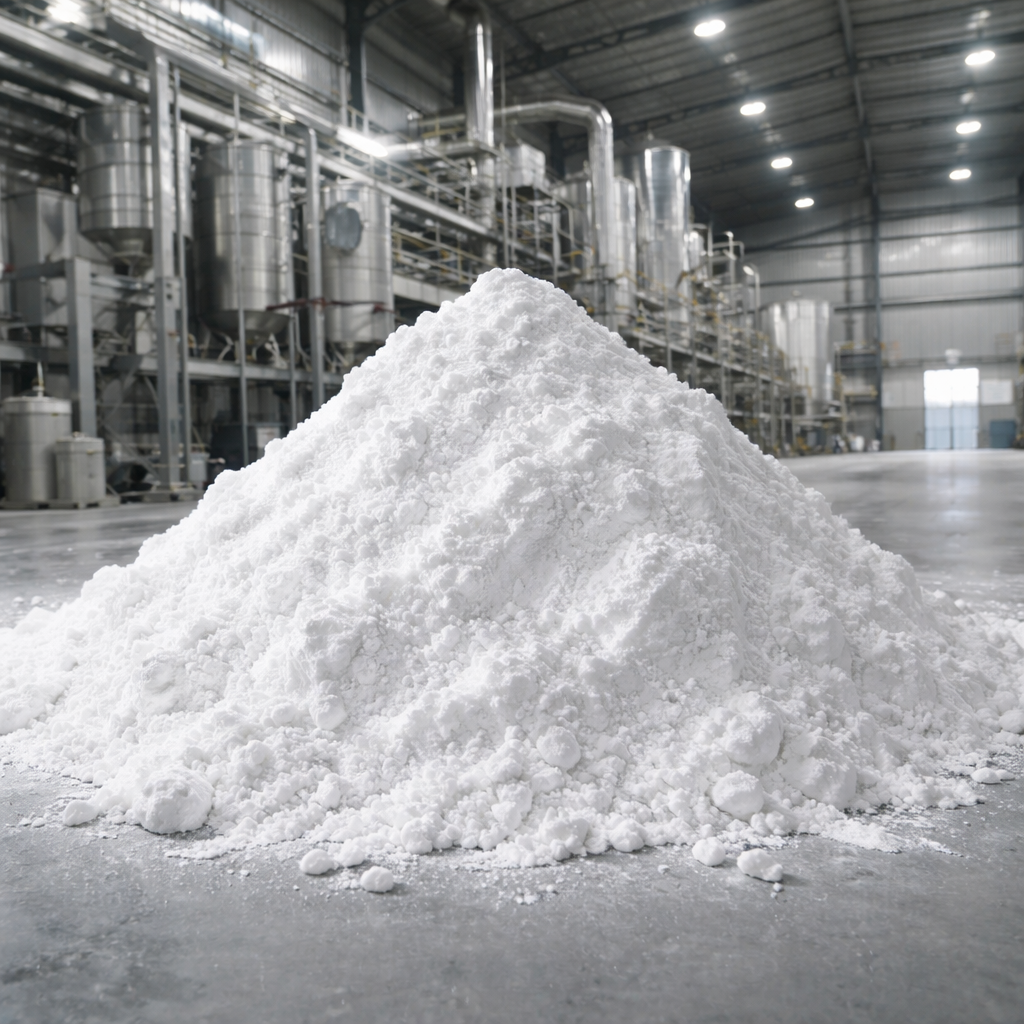
(June 16, 2026) As we enter mid-June 2026, the domestic silica gel (precipitated silica, fumed silica) market has shown a differentiated trend: the prices of general industrial-grade products remain stable, while the prices and volumes of high-dispersity tire-grade and electronic fumed silica are both on the rise. This is compounded by the implementation of mandatory green tire standards, increased demand from the new energy vehicle and photovoltaic sealant industries, as well as the concentrated public announcement and construction of low-carbon silica gel production projects in various regions. The industry is officially entering a critical period of transformation, characterized by both greening and high-end substitution.
I. Market Prices in June: General Products Stable, High-End Models Show Strong Growth
According to the latest monitoring data from Business Society on June 16, the benchmark price for general-purpose precipitated silica gel in the domestic rubber market is stable at 6000 yuan per ton, with fluctuations within the month of less than 1%. There is a slight differentiation in regional markets; the ex-factory prices for ordinary precipitated silica gel in Shandong and East China range from 5100 to 5900 yuan per ton, indicating a balanced supply and demand.
In contrast to this, high-end segments show significant growth: the mainstream price for high-dispersity modified silica gel suitable for new energy low-roll-resistance tires is 6400 to 6800 yuan per ton, an increase of 200 to 300 yuan per ton compared to May. The supply of ultra-fine functional silica gel with a particle size of 1300 mesh or finer, as well as high-purity silica for toothpaste and medical applications, is in short supply, with order lead times extended until mid-to-late July. The price for these products has stabilized above 6200 yuan per ton.
The logic behind the demand-side factors is clear: The new domestic standards for green tires have been fully implemented, requiring a significant reduction in the rolling resistance of passenger car tires. Traditional carbon black fillers no longer meet these compliance requirements, which has led to leading tire companies increasing their stockpiles of fumed silica in June. Data shows that by 2026, the amount of fumed silica added to tires for new energy vehicles is expected to range from 15 to 20 parts per hundred, far exceeding the 10 to 15 parts per hundred used in tires for traditional fuel vehicles. As a result, the monthly procurement volumes of individual manufacturers are expected to increase by more than 30% year-on-year.
In addition to the tire industry, other sectors such as photovoltaic silicone sealants, lithium battery separator coatings, and water-based industrial coatings are also driving the growth in demand for high-quality fumed silica. In the field of silicone rubber, consumption of fumed silica is expected to increase by 13.6% year-on-year in 2026, making it the second fastest-growing sector within this industry.
II. A number of new projects focused on green and low-carbon development are being implemented, with the carbon dioxide acidification process becoming the mainstream technology.
The transformation on the industrial supply side is accelerating: traditional sulfuric acid processes, which generate significant pollution, continue to face capacity restrictions, while new clean carbon dioxide acidification projects are being vigorously promoted.
In early June, the 200,000-ton-per-year fumed silica production project using the carbon dioxide acidification method developed by Sino-Hydrogen (Shandong) New Energy completed its pre-planning approval process. With a total investment of 1.02 billion yuan, the project will be built in three phases, with the first phase featuring a production line capable of producing 60,000 tons per year scheduled to begin operation in the second quarter of 2027.This process uses industrially recovered carbon dioxide as the acidifying agent, with by-products that can be recycled. Compared to traditional processes, it reduces the discharge of wastewater and solid waste by more than 60%, in line with new regulations on chemical emission limits in various regions.
Industry policies continue to phase out low-end production capacity: Jiangsu Province will implement a chemical industry elimination list in 2026, specifying the closure of ordinary silica gel facilities with an annual production capacity of less than 15,000 tons and restricting the use of highly polluting and non-clean processes. Many places across the country are simultaneously promoting the conversion of coal-fired hot blast stoves to natural gas and waste heat recovery systems, accelerating the technological transformation and upgrading of small and medium-sized enterprises. At an industry meeting held by the China Inorganic Salt Industry Association in early June, it was stated that all new production capacity additions will give priority to projects using low-carbon and circular processes, with strict controls on the expansion of homogeneous and low-end production capacity.
III. The pace of domestic substitution for high-end products is accelerating, with the self-sufficiency rate of fumed silica continuing to rise.
There has been a significant breakthrough in the domestic production of fumed silica, which previously relied on imports. In the first half of 2026, companies such as Quecheng Co., Ltd., Longxing Chemical, and Huifu Nano successively achieved full production capacity for their special silica gel technological upgrade projects. High-purity fumed silica for use in semiconductors and energy storage materials is being supplied in bulk to domestic manufacturers, raising the overall self-sufficiency rate of fumed silica to 71%, an increase of 8 percentage points from 2024, significantly reducing import costs for the electronics and pharmaceutical industries.
There has been a significant shift in the procurement logic: downstream tire and new material companies no longer solely base their choices on price. Factors such as product dispersion, batch stability, and low-carbon production capabilities have become the core assessment criteria. The market share of the top five silica gel companies has surpassed 43%, indicating a continuous increase in industry concentration. This situation poses greater survival challenges for smaller enterprises, and the industry is accelerating its transition towards leading, eco-friendly factories.
IV. Industry Outlook for the Future
Industry analysts predict that the structural trends in the silica gel market will continue in the second half of 2026:
On the demand side: Tire manufacturers will experience their traditional peak production period in the third quarter, coupled with stable overseas export orders, leading to strong demand for high-dispersity silica gel. Long-term growth is expected in sectors such as photovoltaics, energy storage, and food and pharmaceuticals. The domestic silica gel market size is projected to reach 13.79 billion yuan for the year, representing a year-on-year increase of 7.2%.
On the supply side: Outdated and inefficient production capacity will continue to be phased out, while new low-carbon production facilities are expected to come online in 2027. The short-term supply gap for high-end products will make it difficult to quickly fill, which should support prices for high-end silica gel in a stable upward trend.
Risk Alerts: Fluctuations in the prices of raw materials such as soda ash, silica sand, and sulfur; carbon tariffs imposed by the European Union; and financial pressures on small and medium-sized enterprises due to environmental reforms could potentially limit the industry's profit recovery prospects at certain stages.Industry experts suggest that companies should accelerate the development of surface modification and nanoscale silica technology, establish carbon dioxide recycling production processes, and capitalize on the benefits of domestic alternatives to enter the high-value-added sectors of new energy and electronic materials. This approach helps to avoid homogeneous price competition in the market for low-end, general-purpose products.
http://www.siliconeoil.net