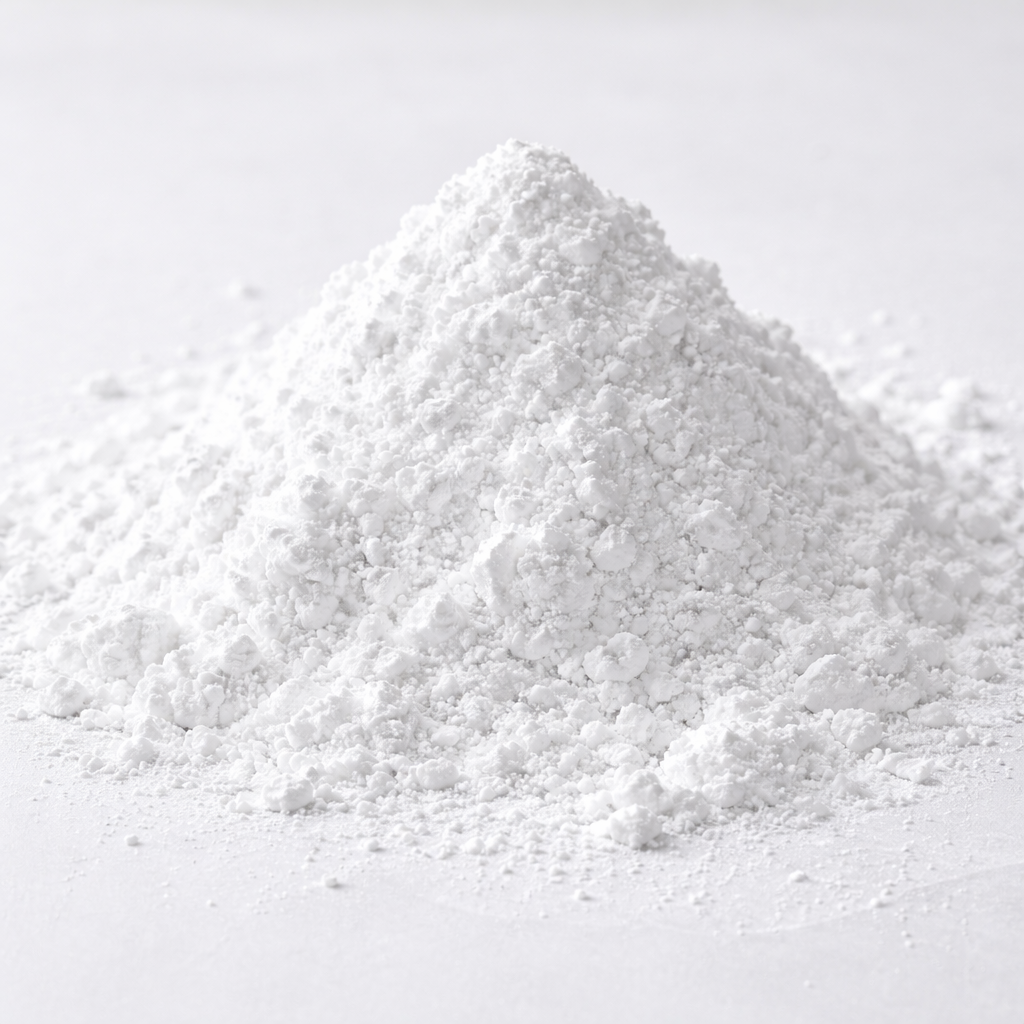
(June 4, 2026) China’s precipitated silica sector has completely stepped out of its long-standing downturn marked by oversupply. Bolstered by three major tailwinds including depleted finished-product inventories nationwide, falling raw material costs and regular capacity regulation, the industry has seen consistent profit recovery and rising production enthusiasm among manufacturers, evolving into a new operating landscape featuring steady prices, lean inventories and improving margins alongside accelerated industrial consolidation.
Latest tracking data from China’s chemical bulk commodity trading platforms shows that as of June 4, ex-factory quotations for rubber-grade precipitated silica in key domestic producing regions stand steadily between 5,900 yuan and 6,100 yuan per metric ton, edging up by 20–50 yuan per ton from late May. Despite the modest price hike, market resilience has strengthened markedly. Breaking from the historical seasonal pattern of price gains in peak seasons and declines in off-seasons, the sector has demonstrated notable downside resistance during the traditional low-demand phase this year, underpinned by multi-year-low overall inventory levels. The average finished-goods inventory turnover for domestic silica producers has fallen below 12 days, with most leading manufacturers operating on order-based production with negligible excess stock. Downstream tire and rubber producers have actively restocked as needed, effectively underpinning market prices and precluding sharp price slumps in the off-season.
Falling input costs constitute a core driver of corporate profit improvement. Since Q2 2026, key raw materials for precipitated silica namely soda ash and quartz sand have trended down in market prices, alongside mild declines in industrial power and coal costs, bringing the industry’s comprehensive production costs down by 3% to 5% quarter-on-quarter. The steep cost burdens that plagued producers in prior periods have eased substantially, putting an end to widespread losses or razor-thin margins across the sector. Gross profit margins for small and mid-sized silica manufacturers have climbed to roughly 15%, while leading large-scale producers leverage superior cost control and technical edges to notch gross margins above 22%, unlocking sustained profitability gains and notable operational upgrades industry-wide.
Tightening capacity control policies have fundamentally refined the sector’s supply-demand balance. Major production hubs including Shandong, Jiangsu and Fujian have ramped up environmental inspections and capacity oversight in 2026, imposing bans on the resumption of outdated low-end capacity and enforcing regular shutdowns for rectification on small-scale facilities failing energy consumption and environmental compliance standards. Statistics indicate over 120,000 metric tons of idle and inefficient domestic silica capacity has been phased out in H1 2026, putting effective brakes on unregulated capacity expansion. Meanwhile, approval thresholds for new production capacity have been sharply raised to curb low-end precipitated silica project rollouts, with regulatory greenlights reserved exclusively for high-end specialty and low-carbon modified silica projects, continuously upgrading the industrial capacity mix and gradually resolving the chronic overcapacity of low-end products.
Downstream demand follows a healthy development trend of steady traditional consumption paired with booming emerging consumption to fuel long-term market expansion. On the traditional front, sustained high operating rates across China’s tire industry guarantee rigid demand for silica used in eco-friendly tires and rubber goods to anchor baseline market consumption. Emerging sectors deliver robust growth momentum: surging demand from photovoltaic adhesives, lithium battery materials, premium daily chemicals and eco-friendly coatings has lifted uptake of specialty silica into a fresh profit engine for the industry. Sustained robust overseas demand further complements domestic consumption, with ample procurement orders from Europe, the U.S. and Southeast Asia; dual growth in domestic and export sales keeps the supply-demand fundamentals on an upward trajectory.
Industry analysts project China’s precipitated silica market will maintain healthy fundamentals of tight inventories and balanced supply and demand through H2 2026. With ongoing elimination of backward capacity and expanding high-end end-use demand, product prices are set to trend steadily higher alongside sustained profit recovery for manufacturers. Going forward, industry competition will shift away from vicious price wars toward comprehensive rivalry centered on product quality, proprietary technology and low-carbon manufacturing, accelerating the high-quality transformation of the whole sector.
http://www.siliconeoil.net