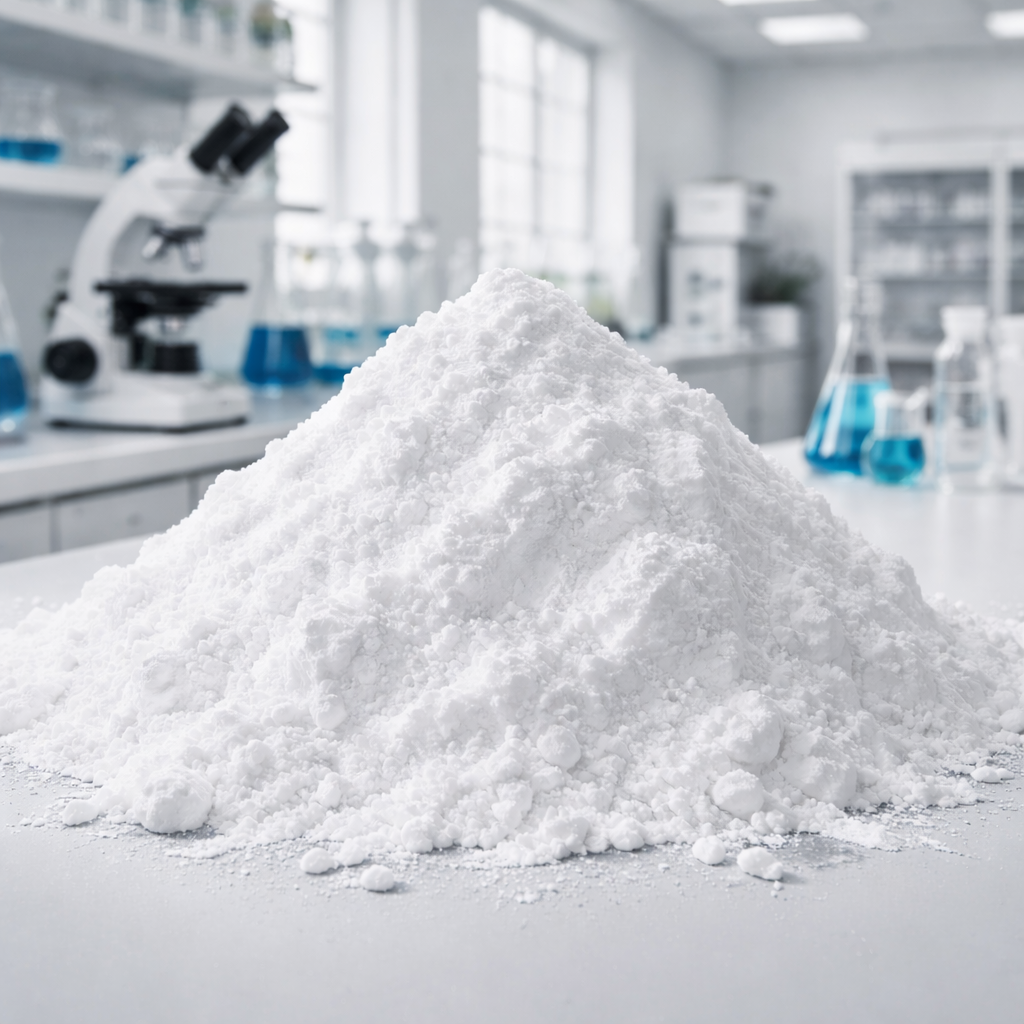
(June 3, 2026) Prices in the white carbon black market across many regions nationwide remain stable. The mainstream transaction price for general rubber-grade products using the precipitation method is concentrated between 4,600-5,800 yuan/ton. Regional price differences vary slightly depending on supply and product specifications. Under the combined influence of raw material costs, downstream rigid demand, and overseas exports, the industry is mainly narrow-range in the short term.
From spot quotations, major production areas such as Shandong, Fujian, and Jiangsu stabilized in early June: Shandong market rubber-grade precipitated silica ex-factory priced at 5700-5800 RMB/ton including tax was 5700-5800 RMB/ton, while general fine powder silica was priced at 3500 RMB/ton; In Fujian, negotiable prices for products of the same specifications are 5000-5800 yuan/ton; At the Jiangsu chemical circulation end, the spot price for industrial silica is 4600 yuan/ton. There has been no significant price change in the past three days, and existing orders from manufacturers can support the production and sales rhythm of the first half of June. Overall inventory remains at a low level. Among subcategories, modified silica specifically for ink, feed, and silicon fertilizer is priced around 5,700 yuan/ton. Food-grade and fumed-phase silica remain high due to technical barriers and new national standards, with high-end fumed silica market prices exceeding 20,000 yuan/ton.
On the cost side, the previous upstream raw material price increases such as sulfur provided sustained support. The sharp rise in sulfur prices this year has pushed up silica production costs, and most small and medium-sized manufacturers have no intention of lowering their shipments; Combined with normalized environmental controls, many silica enterprises in many regions have implemented technological upgrades for clean production, continuously clearing out inefficient and outdated capacity, tightening effective industry supply, and further supporting the bottom of spot prices.
On the demand side, there is structural differentiation, with tires and new energy silicone rubber becoming core growth drivers. The national standard for domestic green tires continues to be implemented, with new energy vehicle production and sales steadily rising. Leading tire manufacturers are accelerating the replacement of high-dispersion silica, and tire companies have been restocking in June; In the silicone rubber sector, driven by the new national standard for food contact materials GB 4806.16-2025, food-grade silicone raw materials have shifted from precipitated silica to high-purity fumed silica, driving demand for high-end gas-phase silica up month-on-month, with monthly new demand exceeding 10,000 tons. Meanwhile, rigid demand in the coatings, daily chemicals, and feed carrier sectors remained stable, with regular grades of silica following up as needed, with no large-scale centralized stocking trends.
Foreign trade data continues to perform impressively. In the first quarter of 2026, domestic white carbon dioxide exports will grow by double digits year-on-year, with demand surging in Southeast Asian and Middle Eastern countries such as the UAE, Vietnam, India, and Thailand. Among them, exports to the UAE increased by over 160% year-on-year, relying on local free trade zones for transshipment to Europe, America, and Africa, becoming the core growth point for domestic white carbon dioxide exports. Traditional procurement orders from Japan, South Korea, and Russia remain stable; domestically produced high-disperse white carbon dioxide accelerates import substitution; the proportion of high-end product exports continues to rise.
On the industry development side, the dual-carbon policy is forcing green upgrades in the industry. Leading domestic companies are accelerating the launch of new projects for highly dispersed modified silica. Leading companies like Quecheng Silicon and Black Cat Co., Ltd. are focusing on R&D of high-end silica specifically for tires. On June 1, Black Cat Co., Ltd. hit the daily limit strongly, with large net inflows of main funds. The capital market is optimistic about the growth logic of high-end silica; Industry institutions predict that by 2026, the domestic silica market size will exceed 35 billion yuan, with self-sufficiency rates for highly dispersed products increasing year by year, and competition shifting from capacity competition to refined and customized new materials.
Market outlook: In the short term, white carbon is supported by raw material costs and existing orders, making it difficult for spot prices to drop sharply; In the latter part of the month, it is necessary to closely monitor the pace of centralized tire procurement and fluctuations in organic silicon raw materials. If downstream centralized restocking is implemented, there is room for a slight upward adjustment of high-end modified silica, while conventional precipitation grades will continue to operate mainly at stable prices.
http://www.siliconeoil.net