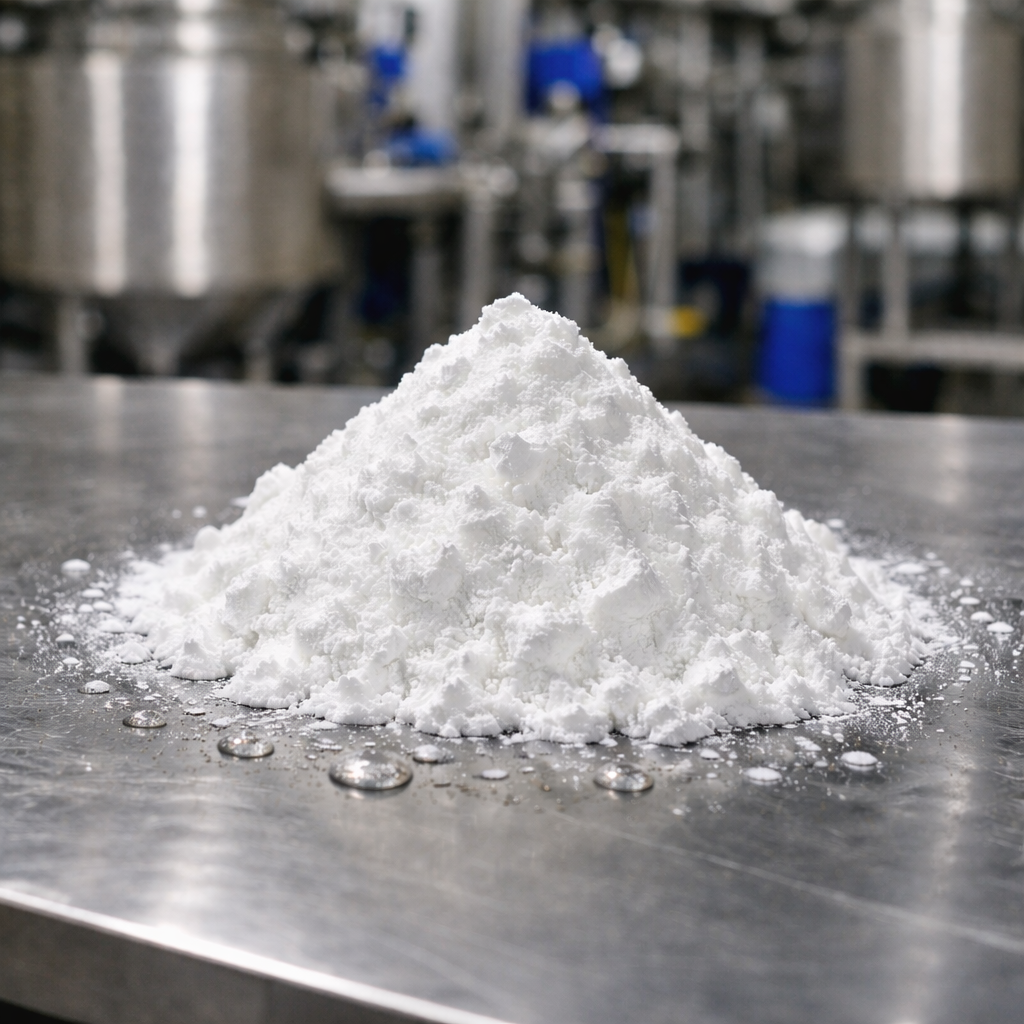
(June 2, 2026) As June 2026 began, the inventory structure of the domestic silica market underwent significant changes. The industry as a whole concluded the previous phase of accumulating inventory and entered a stage characterized by active inventory reduction and low levels of stockholdings. Under the combined effects of steady recovery in downstream demand, companies' efforts to control production and ensure supply, and the supporting role of raw material costs, the fundamental supply-and-demand dynamics in the silica market continued to improve. This led to a break from the previous pattern of sluggish fluctuations, and the market generally exhibited a positive trend characterized by low inventory levels, stable transactions, and gradual price increases. Overall, the prosperity of the industry continued to rise.
Looking back at the early part of Q2 this year, the domestic silica market was experiencing a moderate increase in inventory levels. Due to the traditional off-season in spring, industries such as footwear manufacturing and general rubber products saw weaker production activity, which slowed down terminal purchasing trends. Additionally, as some companies began operating new production capacities on a large scale, the market had an relatively abundant supply of goods. As a result, most manufacturers and traders had moderately high inventory levels, putting pressure on market prices and limiting upward momentum. Overall, the industry focused on maintaining stable prices while trying to increase sales volumes.
In June, the fundamental conditions of the market improved significantly. As temperatures rose, traditional downstream industries gradually entered their peak production periods. Enterprises producing rubber products, footwear materials, and coatings saw increasing operating rates, which led to a steady rise in their demand for silica.At the same time, high-end sectors such as new energy tires, photovoltaic sealants, and lithium battery coatings have continued to maintain a high level of operations. There is a persistent shortage of high-quality fumed silica supplies, which has effectively accelerated the overall reduction of inventory in the industry. According to industry inventory monitoring data, the current overall inventory levels of domestic fumed silica manufacturers are at relatively low levels for the year, with most mainstream suppliers having less than 15 days of available stock.
The inventory situation varies significantly across different product categories, reflecting clear structural differences in the market. The inventory of general-purpose precipitated fumed silica is generally reasonable, with supply and demand in balance, and prices remain stable with no significant fluctuations. In contrast, there is a persistent shortage of specialized fumed silica for high-performance tires, fumed silica produced by the gas-phase method, and hydrophobic-modified fumed silica. Some mainstream product specifications are in short supply, resulting in longer lead times for manufacturers to process orders. Some companies are now limiting the number of orders they accept or scheduling production based on actual demand, causing prices for high-end products to rise slightly.
On the production side, companies are taking measures to control output and stabilize prices, further reinforcing the trend of low inventory levels. In response to changing market conditions, domestic fumed silica manufacturers have adjusted their production schedules flexibly, abandoning the previous practice of operating at full capacity without regard to market demand. Additionally, temporary equipment maintenance and environmental regulations in certain production areas have helped to alleviate the pressure on market supply.The overall operating rate of the industry remains within a reasonable range of 70%, which not only prevents price competition caused by an oversupply of goods but also ensures the supply of essential products for end-users, thus contributing to the continuous reduction of market inventories.
On the cost side, these factors continue to provide strong support for market prices. Recently, the prices of key raw materials such as soda ash, sulfuric acid, and quartz sand have remained high and volatile, resulting in elevated production costs for manufacturers. This has compressed the industry’s profit margins, leading to a low willingness among companies to sell goods at lower prices, and a general tendency to maintain prices. With the combined effect of low inventories and high costs, the market’s resilience against declines has significantly increased, completely reversing the previously weak market sentiment. Traders are more proactive in purchasing goods, and the overall market transaction activity is improving.
As market sentiment gradually improves and industry confidence recovers, there was previously a strong tendency for observers in the market to wait and stock up. However, now that inventories have decreased and demand has picked up, many downstream enterprises are stocking up in advance, and traders are increasing their inventory replenishments. As a result, market liquidity has significantly improved. The market has shifted from focusing on “essential purchases based on actual demand” to “moderate advance stockpiling,” ensuring healthy inventory turnover and further strengthening the foundation for upward market trends.
Regarding the future direction of the market, industry analysts believe that, based on considerations such as inventory levels, supply and demand dynamics, and cost factors, the domestic silica gel market will continue to operate within a context of low inventories in the short term.As the peak season for traditional consumption in the third quarter approaches, terminal demand will continue to increase, and the pace at which inventories are reduced is expected to accelerate further. Coupled with the fact that raw material costs are unlikely to decline in the short term, the overall trend in the silica market will remain stable with some upward momentum. For high-end functional products, due to tight supply, there is even more room for price increases, and the overall prosperity of the industry will continue to improve.