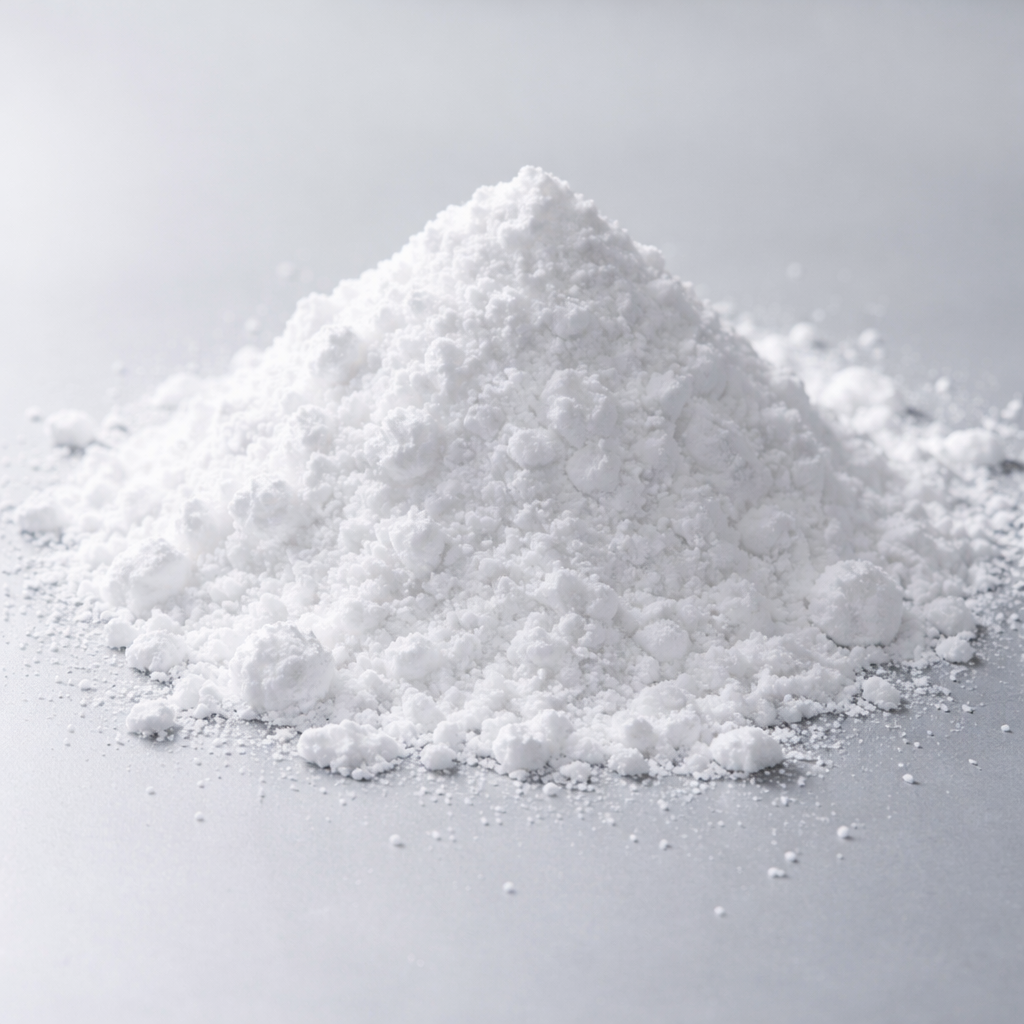
(June 1, 2026) For a long time, fumed silica has primarily been used as a reinforcing material in the rubber industry, especially in the tire sector, with market growth heavily reliant on the traditional automotive parts industry. Entering 2026, however, with the rapid development of new materials and the continuous advancement of civilian and industrial manufacturing, the application scope of fumed silica has expanded significantly, and the traditional single-use model has been completely transformed. Amidst the steady growth of traditional markets, emerging applications such as cosmetics and daily chemicals, high-end sealing materials, new energy storage technologies, and industrial coatings have seen rapid development. These fields have driven the fumed silica industry away from its traditional role in tire manufacturing toward more sophisticated applications across various sectors, with differentiated specialization becoming a key driver of new growth.
In the traditional tire market, there is a focus on improving quality and optimizing demand patterns. As the most significant application area for fumed silica, the tire industry is now shifting from increasing consumption volumes to pursuing higher quality standards. The adoption rate of green tires and low-resistance tires in China is continuing to rise, replacing conventional high-energy-consuming tire products. Compared to standard tires, green tires require higher-quality fumed silica that can effectively reduce rolling resistance and enhance durability.Industry data shows that in 2026, the demand for high-end silica specialized for automotive tires will continue to rise, while the usage of low-end general-purpose silica in the tire industry will decline year by year. The traditional main markets have completed a transformation from focusing on “increased volume” to emphasizing “quality improvement”, which has forced continuous product iteration and upgrading.
The personal care and cosmetics sector has seen rapid growth and become a new area where the demand for silica is increasing. Thanks to its excellent thixotropy, anti-caking properties, and matte adsorption capabilities, ultra-fine silica powder has become a key auxiliary material in the cosmetics, food, and personal care industries, with market demand growing at a rapid pace. In products such as colored face powders, matte foundations, toothpaste abrasives, and food anti-caking agents, modified silica is gradually replacing traditional additives due to its non-toxicity, fine texture, and strong adsorption properties. With the rise of domestic personal care brands and the standardized development of the food processing industry, the demand for food-grade silica continues to expand. The market size of this sub-category has increased by more than 18% year-on-year, making it one of the fastest-growing segments in the industry.
In the fields of new energy and industrial new materials, demand is continuing to rise, particularly for high-end applications. Driven by the rapid development of the new energy industry, there is a persistent need for silica in areas such as lithium battery sealing materials, photovoltaic module adhesives, and charging station insulating coatings.Special modified fumed silica can effectively enhance the weather resistance, insulation properties, and adhesion stability of adhesive materials, making it ideal for the demanding conditions of long-term outdoor use in photovoltaic components and the high-temperature and low-temperature cycling in lithium batteries. At the same time, there is a steady increase in demand for this material in fields such as industrial anti-corrosion coatings, high-end silicone rubber, and 3C electronic shock-absorbing materials. These specialized applications require extremely high standards regarding the purity, particle size, and stability of fumed silica. The added value of these products far exceeds that of traditional rubber materials, making them a key source of profit growth for enterprises.
The diverse and specific needs of different markets have forced the transformation towards customized products, leading to an end to homogeneous competition in the industry. The varied and differentiated demands from various end-users have completely changed the previous homogeneous production model of the fumed silica industry. Enterprises are now developing and producing customized products for different sectors such as daily chemicals, electronics, new energy, and rubber. Through processes such as surface modification, particle size control, and purification, these products are tailored to meet the specific requirements of each application. The trend towards more specialized product categories and customized solutions not only helps to avoid price competition in traditional low-end markets but also significantly improves the overall profitability of the industry.
Industry research institutions suggest that the value of fumed silica as a product is being reevaluated. Its applications are no longer limited to traditional industrial reinforcing materials but have extended into a wide range of core areas, including consumer goods, high-end manufacturing, and strategic new energy industries.In the future, as the various downstream sub-industries continue to upgrade, the market's demands for the functionality, specialization, and precision of fumed silica will continue to increase. With the continuous empowerment from a variety of end-use scenarios, the domestic fumed silica industry will move away from its reliance on a single market and achieve comprehensive, multi-level high-quality development, further expanding the industry's long-term growth potential.
http://www.siliconeoil.net