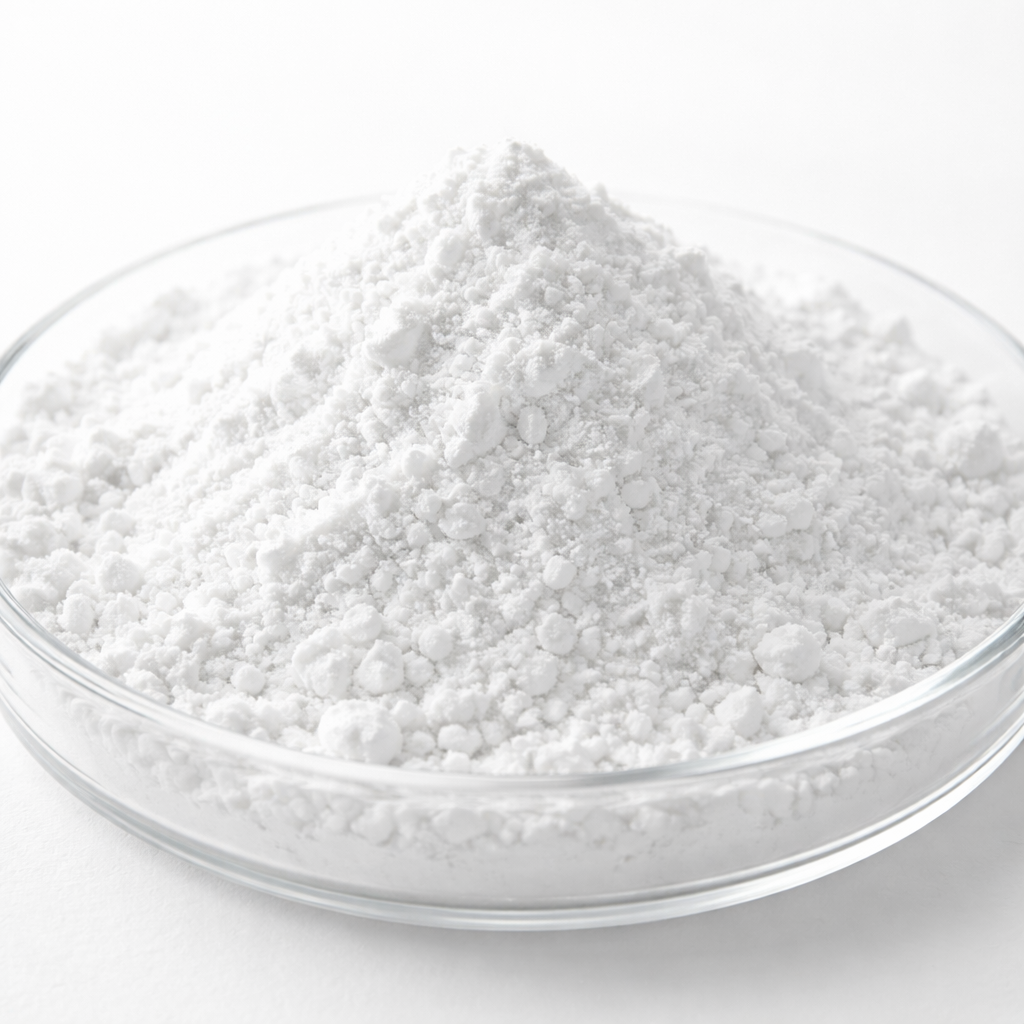
(June 1, 2026) For a long time, the high-end white carbon black market has been monopolized by overseas giants, with domestic products mostly concentrated in low-end general sectors, resulting in structural overcapacity. Since 2026, the domestic white carbon black industry has undergone structural changes. Relying on breakthroughs in core technologies, capacity upgrades, and explosive demand from emerging downstream industries, the domestic substitution speed of high-end specialty white carbon black has accelerated across the board. Building on the solid foundation of the traditional tire market, emerging sectors such as photovoltaics, electronics, and new energy lithium batteries continue to increase volume, completely reshaping the industry's original market landscape. Domestic white carbon black has officially entered a new development cycle of "high-end breakthrough and incremental expansion."
Long-term structural shortcomings have been addressed, and high-end products have achieved independent control. Over the past decades, China's silica industry has shown an imbalance of "low-end internal competition and high-end blanks." Ordinary precipitation methods have excess production capacity and fierce price competition, while ultrafine vaporized silica adapted for high-end manufacturing and modified highly dispersed specialty silica have long relied on imports from overseas companies like Evonik, Solvay, and Cabot. The import dependence in photovoltaic adhesives, electronic materials, and high-end precision tires once exceeded 60%. As domestic chemical companies continue to deepen technology R&D and break through overseas formula and process barriers, by 2026, domestic industry achievements will be concentrated, and the performance indicators of specialty silica products will fully align with international first-tier standards.
Technology iteration empowers product upgrades, precisely adapting to high-end application scenarios. Domestic companies solve industry pain points of traditional domestic silica such as poor dispersibility, insufficient purity, and weak stability through independently developed core processes such as surface modification, precise particle size control, and high-purity purification. The newly iterated high-end modified silica features high transparency, strong reinforcement, resistance to high and low temperatures, and low volatility, fully meeting the stringent standards of high-end manufacturing. Among them, silica specifically for photovoltaic packaging adhesives can effectively improve the weatherability and bonding strength of adhesives, meeting the ultra-long service life requirements of photovoltaic modules; Lithium battery flame-retardant and electrolyte-specific silica black can enhance battery safety and stability, aligning with the safety upgrade trend of the new energy industry.
Emerging downstream industries are exploding, opening up a blue ocean of incremental markets. Compared to the steady growth of the traditional rubber tire market, emerging fields such as new energy photovoltaics, intelligent electronics manufacturing, and lithium battery energy storage will become core growth engines for the white carbon industry in 2026. Domestic new photovoltaic installations continue to grow at a high level, and demand for supporting packaging materials keeps rising, driving demand for high-purity fumed silica to grow by over 20% year-on-year. At the same time, the lightweighting development of consumer electronics and new energy vehicles has greatly increased the usage of silicone rubber, sealants, and damping materials, further driving rigid demand for high-end silica. Unlike traditional general-purpose products, high-end specialty white carbon has high added value and stable profit margins, effectively helping companies overcome the dilemma of low-end low-price competition.
Export structure continues to optimize, and domestic products gain global influence. With breakthroughs in domestic high-end products, the export structure of the white carbon black industry has undergone a fundamental transformation, completely reversing the previous trade pattern of "low-end exports, high-end imports." In the first quarter of 2026, domestic exports of high-end specialty white carbon increased by 28% year-on-year, not only covering emerging markets such as Southeast Asia and the Middle East but also successfully entering high-end supply chains in Europe and the Americas, gaining recognition from international downstream enterprises. Meanwhile, imports of high-end products continued to decline, the effect of import substitution became increasingly pronounced, and the industry's trade added value kept rising.
Industry analysts say the current competitive logic in the white carbon black industry has completely changed, shifting from the previous competition in capacity and price to a comprehensive strength competition based on technology, quality, and scenario adaptation. With the continuous release of high-end production capacity and continuous technological advancement, domestic white carbon black will keep eroding the market share of overseas giants. In the future, as downstream industries such as new energy, photovoltaics, and high-end equipment continue to expand, the high-end specialty white carbon black market has vast incremental potential, which will continue to drive overall industry quality and efficiency improvement, propelling the domestic white carbon black industry from a major chemical raw material country to a high-end manufacturing powerhouse.
http://www.siliconeoil.net