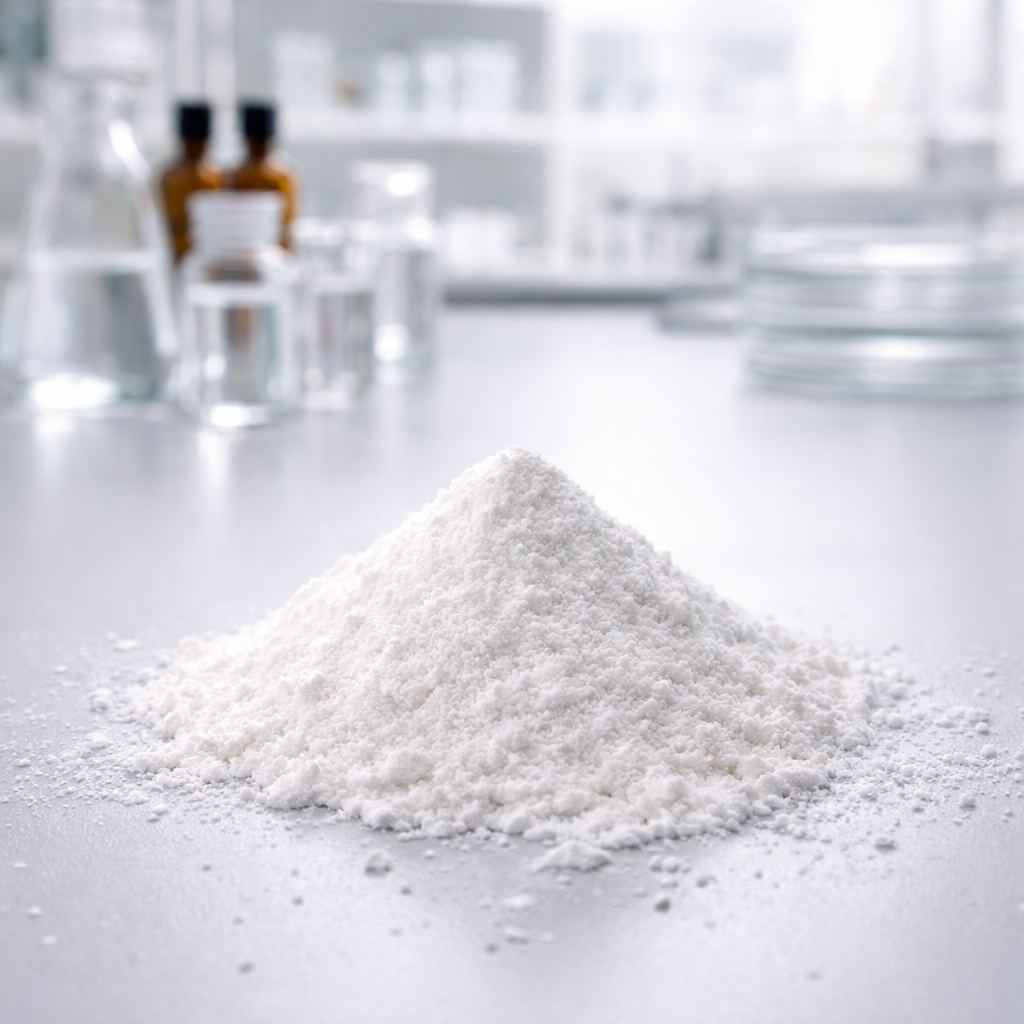
(May 30, 2026) Recently, multiple production standards, quality standards, and new environmental protection regulations for the domestic white carbon industry have been officially implemented, with comprehensive upgrades in control over silica production processes, product quality inspection, and energy consumption emissions. Under the pressure of standardization policies, the industry's low-end irregular capacity has been rapidly cleared out, market competition order continues to purify, and the industry has completely bid farewell to its unchecked growth model, entering a new stage of standardized, regulated, and high-quality compliant development.
It is understood that the latest unified standard for the silica industry implemented this time focuses on detailed specifications for the two mainstream production processes: precipitation and vapor phase, clarifying unified testing standards for core indicators such as product purity, specific surface area, and dispersibility, filling the industry gap of vague quality inspection standards for domestic small and medium-sized workshops. Previously, the domestic silica market had long suffered from inconsistent product standards and inconsistent quality. Some small processing plants disrupted market order by simplifying production processes and reducing quality control costs, using low-priced, inferior products to disrupt market order and seriously affecting the healthy development of the industry.
With the full implementation of the new standards, the survival space for low-quality, low-priced supply in the market has been completely squeezed. Local market supervision departments, together with chemical industry associations, will carry out special spot checks on white carbon dioxide products, ordering manufacturers with substandard purity, substandard performance, or excessive environmental emission standards to rectify or suspend production for rectification. By the end of May, dozens of small, non-compliant production capacities in core production areas such as East and North China had shut down for rectification, and a large number of outdated low-quality, inefficient, and energy-consuming backward capacities were rapidly withdrawing from the market, significantly improving the overall compliance level of the industry.
Environmental compliance has become the core focus of this industry reshuffle. The new regulations set rigid quantitative indicators for wastewater recycling rate, particulate matter emissions from exhaust gas, and resource utilization of solid waste during the silica production process. Traditional silica production faces issues such as high water consumption, high waste residue output, and high energy consumption. Previously, many small and medium-sized enterprises lacked comprehensive environmental treatment equipment and relied on low-cost advantages to capture the market. After the new regulations are implemented, environmental protection operation and maintenance costs have risen sharply, and small and medium-sized enterprises without compliant environmental facilities or unable to complete technological upgrades have completely lost their survival space.
The standardization upgrade also regulates the market trading system. In the past, the industry had issues such as non-standard product OEM sales, inflated spec labeling, and lack of after-sales guarantees, which led to higher procurement risks for downstream tires, coatings, and new energy companies, making it easy to suffer from poor product compatibility and unstable finished product quality. After the new industry standard is implemented, all circulating products must be labeled with standardized parameters and compliance inspection reports, greatly improving market transparency and effectively preventing the circulation of substandard and substandard products, thereby protecting the procurement rights of downstream end enterprises.
Compliance transformation is also forcing industry companies to accelerate technological upgrades and equipment iterations. To meet the requirements of the new regulations, leading domestic white carbon black companies have continuously increased investment in technological upgrades, updated intelligent production equipment, established standardized quality inspection systems, and improved environmental recycling systems. Not only have they successfully passed the new regulations' verification, but they have also further enhanced product stability and quality consistency through standardized production. A compliant and standardized production system also makes domestic white carbon better aligned with international import and export trade standards, supporting product exports.
From market feedback, standardized industry development has driven both market reputation and industrial value enhancement. As inferior, low-priced sources are gradually cleared out, market homogenization and low-price competition have significantly decreased, the value of high-quality products from legitimate and compliant enterprises has been recognized, product prices have become more stable, and the overall profitability order of the industry continues to recover. Downstream end-user enterprises have improved procurement stability, with the proportion of long-term cooperation orders continuously rising, making industrial supply-demand cooperation more healthy and orderly.
Industry experts analyze that the implementation of these new regulations marks a key turning point in the transformation and upgrading of the silica industry. The old development model of the industry relying on capacity expansion and low-price competition is no longer sustainable; compliance and standardization will become the fundamental thresholds for enterprise survival and development. In the future, industry supervision will continue to be normalized and refined, continuously eliminating outdated and non-compliant production capacity, and promoting the concentration of industry resources among leading enterprises that operate compliantly, advance in technology, and maintain stable quality.
Overall, policy standardization reforms are reshaping the underlying development logic of the silica industry. With the protection of institutional standards, the industry's market order continues to optimize, product quality steadily upgrades, and industry concentration keeps rising, laying a solid institutional foundation for the industry's long-term, healthy, and high-quality development, and promoting a comprehensive transformation of the domestic silica industry from scale advantages to quality and standard advantages.
http://www.siliconeoil.net