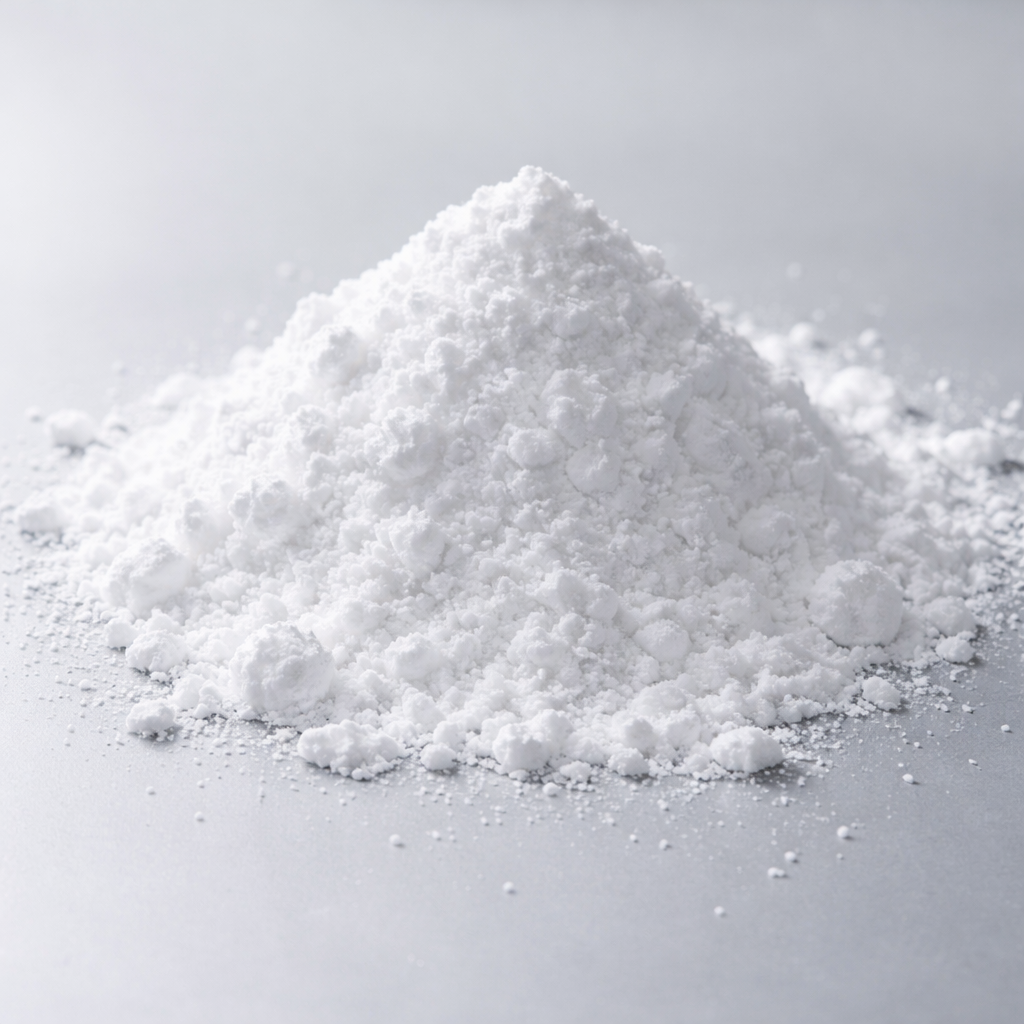
(May 28, 2026) In recent years, the domestic ecological and environmental protection regulatory system has become increasingly complete, with standards such as dual control of energy consumption, pollution control, and clean production continuously tightening, imposing comprehensive constraints on the traditional chemical raw material industry of silica. Driven by both policy guidance and market demand, the entire industry has bid farewell to extensive production models and launched a top-down green transformation. From capacity structure and manufacturing processes to product systems, greening, low-carbon, and clean initiatives have become the core themes of industry development and are reshaping the future development pattern of the industry.
The silica production process involves multiple steps such as reaction, filtration, and drying. Traditional processes generally suffer from high water consumption, high solid waste output, and high energy consumption, making them a key area for environmental protection control for a long time. Entering 2026, localities will carry out regular inspections and special rectification of chemical enterprises, and small-scale workshop-style capacity that does not meet standards or has no hope of rectification will be rapidly exited from the market. Many regions have clearly defined industry entry thresholds, strictly controlled new outdated capacity, and required existing production lines to complete energy-saving, water-saving, and waste gas and waste residue recycling upgrades. Under the strict regulatory environment, the momentum of disorderly low-end expansion in the industry has been thoroughly curbed, market supply has been continuously purified, and the overall quality of industry development has steadily improved.
To adapt to new environmental regulations, major manufacturers have increased investment in technological upgrades and are tackling key technologies centered on clean production. To address the challenge of water consumption, the company has built a closed-loop water circulation system. Production water is filtered and purified before being recycled, greatly reducing external discharge and significantly improving water resource utilization. For waste heat and exhaust generated during production, secondary utilization is carried out through supporting recovery devices, converting them into production heat sources or auxiliary energy, effectively reducing the consumption of coal, electricity, and other energy sources. In solid waste treatment, the company is exploring resource utilization paths for waste residue, processing by-products into raw materials for building materials, turning waste into treasure, truly achieving both pollutant reduction and resource recycling. The implementation of a series of green processes has enabled companies to gradually achieve compliant production and significantly reduce long-term environmental operation and maintenance costs.
Green transformation extends beyond production to the product end. The market and policies have acted in tandem, making low-carbon, environmentally friendly white carbon black the mainstream choice in the market. Downstream industries such as tires, rubber, and coatings are also promoting green manufacturing. When downstream customers make purchases, in addition to evaluating product performance, they also focus on verifying suppliers' environmental qualifications and carbon footprint data. Silica products produced using green processes, leveraging their low-carbon advantages, are more competitive in bidding, major client cooperation, and foreign trade orders. Many leading companies have taken advantage of the trend by launching low-carbon product series, establishing complete carbon traceability systems, creating green product labels, and creating new market selling points.
During the transformation, the polarization in the industry has become increasingly apparent. Large and medium-sized enterprises with financial and technical strength can calmly invest in equipment upgrades and technology R&D, taking the lead in green upgrades and seizing high-quality customer resources; Meanwhile, small and medium-sized manufacturers with weak capital and limited technology are deterred by the high cost of retrofitting, their survival space is continuously squeezed, and their market share keeps shrinking. Industry resources are further concentrating among leading compliant and green enterprises, with industrial concentration steadily increasing.
Industry insiders analyze that normalizing environmental protection is a long-term trend, and there is no turning back in the industry's green transformation. In the short term, investment in technological transformation increases operational pressure on enterprises, but in the long run, green production is an essential condition for companies to establish themselves in the market and participate in domestic and international competition. In the future, carbon footprint, clean production, and circular economy will become one of the core competitiveness of white carbon black enterprises.
As the green upgrade of the entire industry chain continues to advance, the domestic silica industry will fully complete its iterative upgrade, forging a path of coordinated ecological and economic development, and serving the high-quality development of the domestic new materials industry with a greener and more efficient approach.
http://www.siliconeoil.net