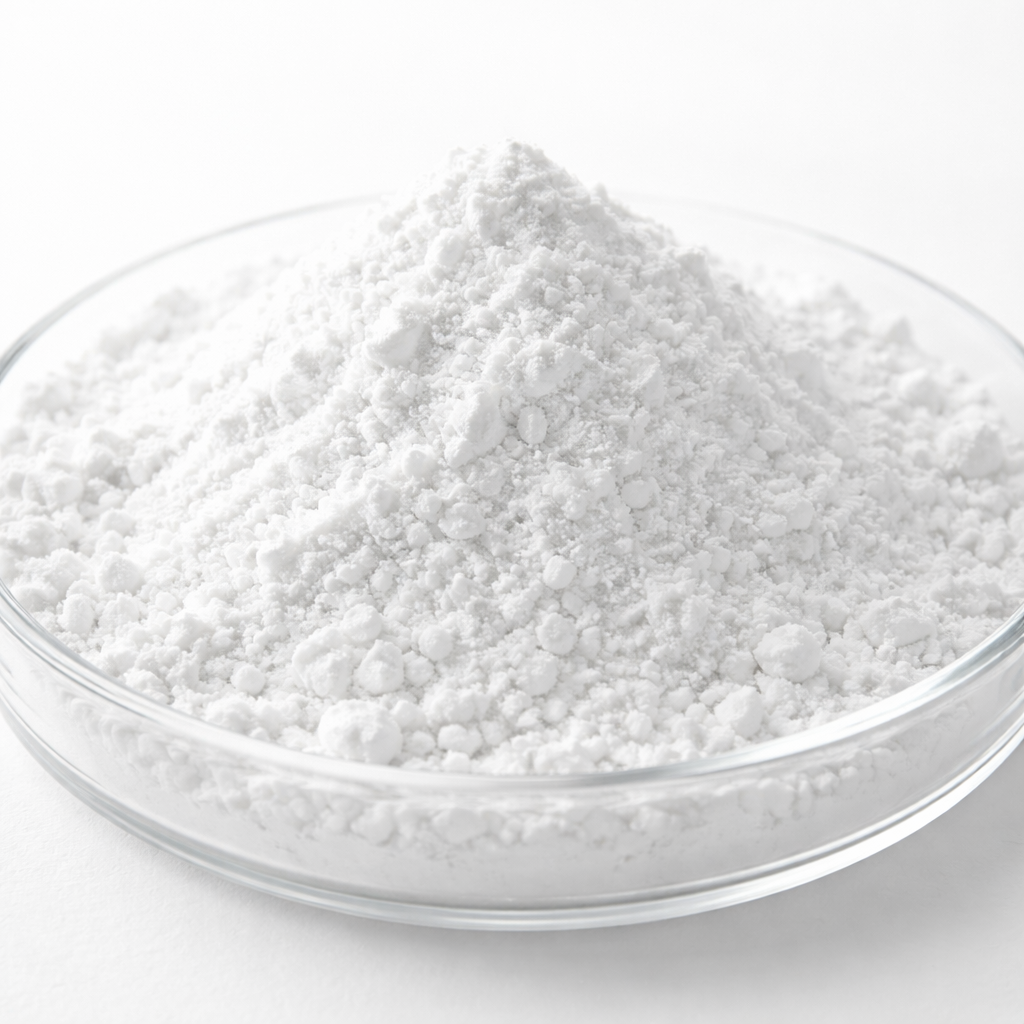
(May 28, 2026) Recently, the domestic silica black industry has entered a critical phase of cost versus demand tug-of-war. Upstream prices of soda ash, sodium silicate, and energy fluctuate, combined with rising logistics and environmental operation costs, have put considerable pressure on manufacturers' operations. Meanwhile, diversified downstream demand is steadily being released, and the industry faces a dual environment of "cost pressure and demand support." Major manufacturers are proactively responding through process optimization, product upgrades, and channel adjustments, exploring sustainable development paths.
Upstream raw materials are the core factor affecting the production cost of silica. As the main raw material, soda ash prices have recently fluctuated slightly, sodium silicate has remained at high levels in the market, and combined with persistently high costs for industrial electricity and coal, this has directly squeezed the profit margins of general-purpose silica. For small and medium-sized manufacturers, traditional mass-produced products already have thin profit margins, and rising costs have further intensified operational pressure. Some small production lines lacking cost control capabilities have shown lower willingness to operate, resulting in a divergent overall industry operating rate. In contrast, large-scale enterprises leverage advantages such as centralized procurement and long-term cooperation to effectively hedge raw material price fluctuation risks, highlighting their ability to control production costs.
Facing cost pressures, an internal wave of cost reduction, efficiency improvement, and process innovation has swept through the industry. Many companies have abandoned the traditional extensive production model, transforming their production equipment and processes into intelligent and energy-saving solutions. Through technological upgrades such as waste heat recovery, water recycling, and comprehensive exhaust treatment, both energy consumption and material loss per unit product have been reduced, while also meeting environmental protection control requirements. Many manufacturers have also optimized production ratios, improving raw material utilization while ensuring product performance, and deeply tapping profit margins from the production side. At the same time, the widespread adoption of automated production lines has also reduced labor costs, helping companies gain a foothold in fierce market competition.
Product structure adjustment has become the core direction for enterprises to break through. In the general precipitation process of silica, market supply is ample, price competition is intensifying, and profit margins continue to be squeezed. As a result, more and more companies are proactively reducing capacity for low-end products and shifting resources toward high value-added products. Developed customized silica products for new energy, high-end rubber, electronic materials, fine chemicals, and other fields. Thanks to excellent dispersibility, reinforcement, and stability, high-end products have stronger bargaining power and are less affected by raw material price increases, becoming the main profit driver for enterprises. Orders for categories such as vapor-phase silica and modified specialized silica remain strong, with strong production and sales in stark contrast to the low-end market.
From the perspective of market circulation and trade, the domestic market shows obvious regional differentiation. In downstream industry clusters such as East and North China, manufacturers ship smoothly and inventory remains within reasonable ranges; Some inland production areas are limited by transportation costs, resulting in a slower pace of circulation. The foreign trade market performed impressively, with overseas buyers increasingly valuing product quality and environmental certification. Domestic high-end white carbon black, with its high cost-performance ratio, continues to capture overseas market share, with export volumes steadily increasing. Expanding into overseas markets not only broadens sales channels but also helps companies divert competitive pressure from the domestic low-end market.
Industry insiders say that in the short term, upstream raw material and energy costs are unlikely to fall significantly, and cost pressures will persist for a long time. The development model relying solely on volume-driven and low-price competition has come to an end; companies must change their business approach. On one hand, it continues to deepen technological research and development to create differentiated products; On the other hand, internal management has been strengthened to build a solid cost defense line.
In the long run, as downstream new energy and new materials industries continue to develop, the market demand for silica still has significant growth potential. Under market pressure, the industry will accelerate capacity reshuffling, gradually clearing out outdated capacity, and concentrating resources toward leading companies with strong technology, large scale, and extensive layout. In the future, adhering to technological innovation and pursuing high-end, customized routes will be the inevitable choice for the silica industry to overcome cost constraints and achieve long-term development.
http://www.siliconeoil.net