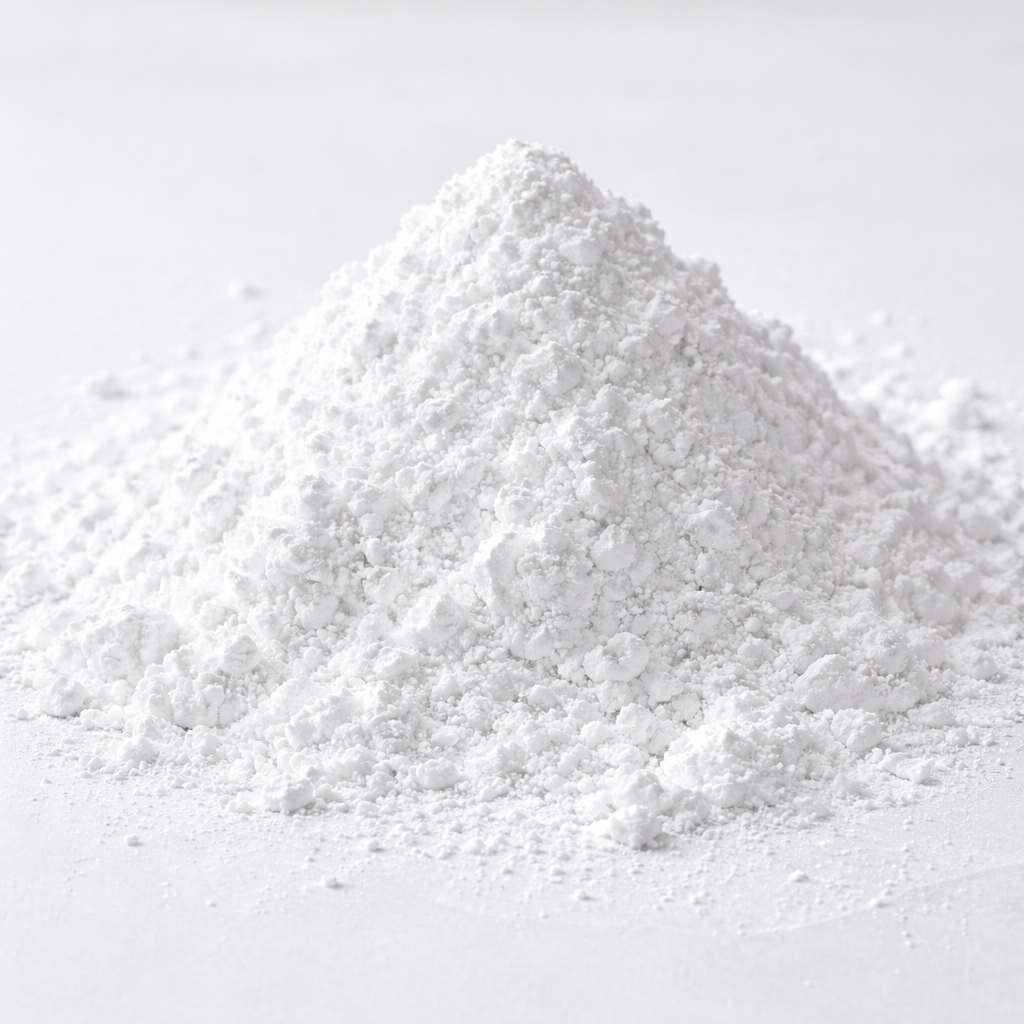
(May 24, 2026) Currently, with the normalized implementation of environmental protection policies and the continuous advancement of dual carbon goals, the pace of green transformation in the domestic fine chemical industry is accelerating comprehensively, and the silica industry is ushering in a new round of development and transformation. On May 24, based on information from production, environmental protection inspections, energy-saving retrofits, and solid waste disposal across various regions, green production, energy conservation and emission reduction, and resource recycling have shifted from optional approaches to mandatory industry survival and development standards. The entire industry chain is reconstructing production models, product systems, and competitive landscapes around environmental protection requirements.
The production process of silica produces by-products such as wastewater and waste residue. For a long time, environmental management capabilities have been a bottleneck restricting the development of many small and medium-sized enterprises. As environmental law enforcement continues to strengthen across regions, regulatory standards for chemical enterprises' pollutant discharge, energy consumption, and solid waste treatment are becoming more detailed, significantly raising industry thresholds. Recently, multiple regions have conducted special inspections in chemical industrial parks, strictly checking exhaust emissions, water circulation systems, solid waste storage and disposal of silica production lines, and other aspects. A number of small workshops and outdated production lines with incomplete environmental protection facilities, excessive energy consumption, and weak governance capabilities have been forced to reduce or suspend production. Disorderly competition at the market end has been effectively curbed, and the overall development environment of the industry continues to be purified.
To meet new environmental requirements, leading companies have taken the lead in launching comprehensive green production line upgrades. Traditional sedimentation of silica consumes a lot of water. Many enterprises have introduced sealed recycling systems to achieve reuse of production water, resulting in a sharp decline in fresh water utilization rates and comprehensive wastewater indicators exceeding national standards. For solid waste such as silica slag and salt slag generated during production, enterprises no longer simply stack and treat them, but instead establish a solid waste resource recycling chain, processing by-products into building material raw materials, auxiliary fillers, and other products, truly turning waste into treasure. In terms of energy use, some factories are gradually replacing traditional high-energy-consuming equipment, introducing energy-saving motors and waste heat recovery devices, optimizing production heat exchange processes, steadily reducing overall energy consumption per unit product, and gradually taking shape of a low-carbon production model.
Environmental upgrades have also forced continuous optimization of product structures, with green-specific white carbon black becoming the new favorite in the market. Downstream end-use industries are also promoting environmental upgrades. Fields such as tires, coatings, daily chemicals, and food are raising raw material environmental standards, making eco-friendly silica that contains no heavy metals, low volatility, and no pollution the preferred choice for procurement. Many companies have developed targeted series of environmentally friendly modification products, enhancing basic properties such as reinforcement, thickening, and matting, while strictly controlling the content of harmful substances to smoothly meet the entry standards of high-end downstream customers. Products with excellent environmental attributes not only sell smoothly in the domestic market but also better comply with import environmental regulations in many overseas countries, further supporting the growth of silica export trade.
From the perspective of enterprise development patterns, environmental investment has widened the industry gap. Large enterprises with strong financial resources and ample technical reserves can continuously invest in environmental upgrades and operation and maintenance costs, seizing more market share through compliant production; Small and medium-sized manufacturers face significant financial pressure, making the path to transformation extremely difficult. Against this backdrop, industry mergers and reorganizations and group development have become increasingly common. Some regional enterprises have jointly built centralized wastewater treatment and solid waste treatment centers to share environmental protection costs and meet regulatory requirements. The industry's development logic has completely changed; the old model of relying on low costs and low environmental investment to gain price advantages is now unsustainable.
Industry associations also actively play a guiding role, leading the formulation of green production standards and energy consumption grading standards for the white carbon industry, organizing enterprises to conduct environmental technology exchanges and advanced equipment observation activities, promoting the popularization of mature energy-saving and pollution control technologies throughout the industry, and guiding the entire industry toward standardization and greening.
Industry insiders say that environmental protection and low carbon will remain the unchanged main themes of the white carbon industry in the coming years. In the short term, environmental remediation will continue to accelerate the clearing of outdated capacity, further optimize the market supply-demand structure, and keep improving the operating environment for compliant enterprises. In the medium to long term, green strength will stand alongside technology and production capacity, becoming the core competitiveness of enterprises.
For the entire industry, only by actively embracing green transformation, continuously increasing investment in environmental protection technologies, and deeply cultivating environmentally friendly product R&D can we keep pace with policies and market trends. While strictly adhering to the ecological bottom line, continuously tap the potential of industrial development and promote China's white carbon industry onto a path of safe, green, efficient, and sustainable high-quality development.