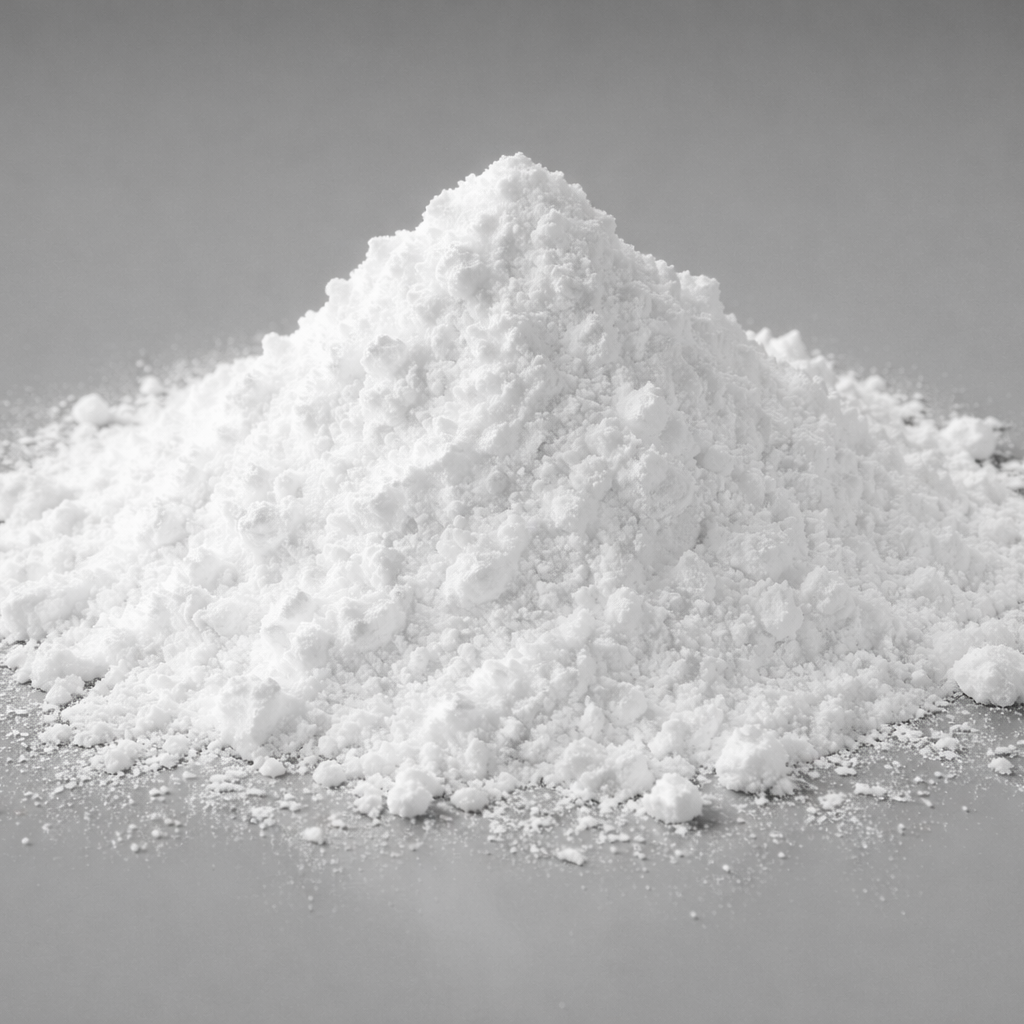
(May 24, 2026) The domestic silica market has seen a phase of recovery, with increasing orders from downstream industries and smoother coordination between production and sales. As an important fine chemical raw material in the inorganic chemicals sector, silica is widely used in various fields such as rubber products, coatings and inks, daily chemical products, feed additives, and silicone materials. Its market trends are closely linked to the development of the entire supply chain. Based on feedback from manufacturers, traders, and downstream purchasers in various regions, the industry is currently operating steadily, with new developments emerging in terms of prices, production capacity, and demand – indicating a clear trend towards high-quality growth.
From the production perspective, mainstream silica manufacturers in China are maintaining high operating rates. After recent equipment maintenance and capacity optimization, production lines in key regions such as East China, South China, and Southwest China are operating at near-full capacity. Industry research data shows that the utilization rates of both the gas-phase and precipitation processes for producing silica have increased slightly compared to the previous month. Precipitation-synthesized silica continues to dominate the market due to its cost-effectiveness and is primarily used in traditional applications such as tires, rubber soles, and rubber-plastic products. Gas-phase-synthesized silica, with its nanoscale particles and superior reinforcing and dispersing properties, is in high demand in high-end coatings, electronic sealants, cosmetics, and advanced composite materials – leading to a situation where supply falls short of demand for these premium products.Many leading enterprises are continuously advancing their intelligent transformation efforts. By adopting automated production lines and energy-saving process improvements, they are able to further reduce production costs and enhance the stability of product quality, thereby strengthening their competitiveness in the market.
On the demand side, the recovery of downstream markets has become a key factor driving the consumption of fumed silica. As the largest application sector for fumed silica, the domestic tire industry has seen a simultaneous increase in both domestic and export orders recently. The combined impact of orders from automobile manufacturers and the growing demand for replacement tires has led to a continuous rise in the procurement volume of specialty fumed silica for the rubber industry. Meanwhile, industries such as coatings and adhesives are experiencing their traditional peak seasons for production and sales. The increased production of products like architectural coatings, industrial anti-corrosion coatings, and silicone sealants has placed higher demands on the reinforcing, thickening, and matting properties of fumed silica, resulting in a noticeable acceleration in the sales of mid-to-high-end products.
In the field of daily chemicals, steady demand for products such as toothpaste, skincare materials, and cleaning agents has supported the overall demand for general-purpose fumed silica. The foreign trade market has also performed well, with an increase in fumed silica export orders compared to previous periods. Overseas buyers are actively placing orders, and domestic enterprises are operating at an orderly pace in their exports, maintaining a stable growth in their share of the overseas market.
In terms of prices, this week overall prices in the domestic fumed silica market remained stable with slight adjustments, and price differences between different product specifications began to widen gradually.The mainstream quotes for fumed silica produced by the general precipitation method remain stable. There is an adequate supply of goods in the market, and traders sell their products according to market conditions, resulting in relatively small fluctuations in prices. High-end fumed silica produced by the gas-phase method, affected by raw material costs, technical barriers, and supply-demand dynamics, maintains a firm price level. Quotations for high-end imported alternatives also remain high. The prices of basic chemical raw materials such as sodium silicate, sulfuric acid, and methanol have seen slight fluctuations, which provide some support for the production costs of fumed silica. Industry insiders believe that in the short term, there is little likelihood of significant price changes in the fumed silica market, and overall, prices are likely to remain stable.
At the level of industry development, green and low-carbon practices, as well as high-end and differentiated products, have become the core directions for the transformation of the fumed silica industry. As domestic environmental regulations continue to tighten, outdated production capacities that consume large amounts of energy and generate significant pollution are being phased out, leading to a further increase in industry concentration. Many companies are focusing on the research and development of environmentally friendly processes and actively promoting new production technologies that save water and energy and involve the recycling of waste materials, thus practicing green production practices. At the same time, they are custom-developing specialized fumed silica products for different market segments—such as those designed for tires with low rolling resistance, highly transparent adhesives, or food-grade and pharmaceutical-grade high-purity fumed silica—to enrich their product portfolio and move away from low-end competition based on homogenized products.Industry associations are also continuously guiding enterprises to strengthen technical exchanges and standard development, regulate market order, and promote the entire industry towards more refined and high-value-added growth.
Regarding the future trend of the market, industry analysts believe that in the short term, demand during the peak season in the downstream markets will continue to increase, coupled with favorable conditions in the export market, providing strong fundamental support for the silica fume market. As a result, market conditions are expected to remain stable and positive. In the medium to long term, with the continuous development of emerging industries such as new energy, new materials, and high-end manufacturing, the application scenarios for high-end silica fume will continue to expand. Leading companies with technical advantages, production capacity, and environmental awareness will face greater development opportunities. The entire industry still needs to focus on technological innovation, continuously optimize product structures, stabilize the domestic market, and further explore potential in overseas markets to facilitate the sustainable and healthy development of China's silica fume industry.
http://www.siliconeoil.net