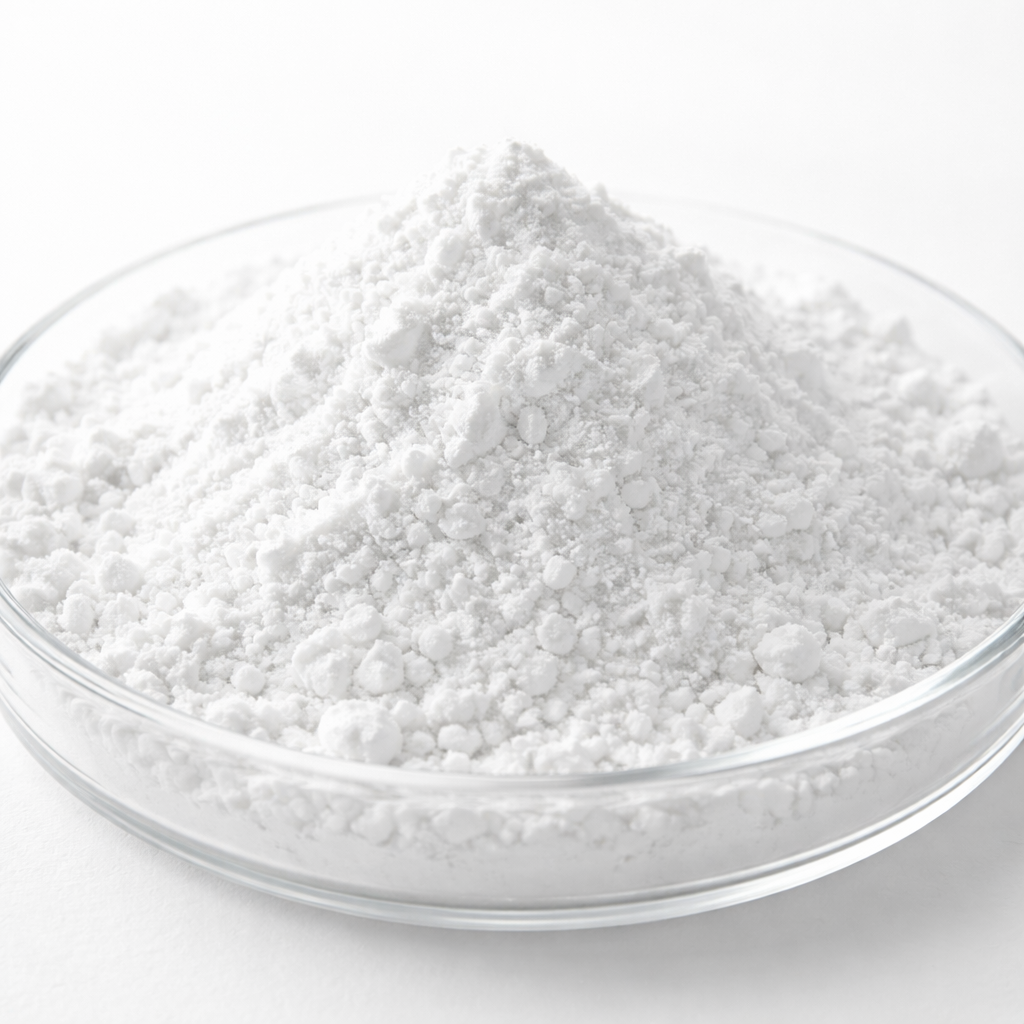
(May 22, 2026) Currently, the silica industry is breaking away from its traditional consumable-like positioning, leveraging its material advantages to continuously expand its commercial boundaries. The added value of the industry is steadily rising, and the industry is entering a new growth cycle.
On the traditional application side, tires and rubber and plastic products remain core consumer markets. Demand for high-disperse white carbon suitable for low-rolling resistance tires is steadily rising, and automakers' R&D needs for energy saving and emission reduction continue to drive the release of customized category orders. The market supply for conventional generic grades is ample, regional quotes remain stable, and industry companies are focusing on formula optimization to enhance product compatibility competitiveness.
The high-tech materials sector has become the core driving force for industrial growth. Vapor-phase silica, with its excellent properties such as strengthening, thickening, and sedimentation resistance, is widely used in the processing of sealants, high-end coatings, and electronic components. Emerging sectors such as lithium battery separators and photovoltaic accessories continue to see a surge in demand for modified silica products, with domestically developed products gradually capturing market share and reducing dependence on imports.
At the production side, the popularization of energy-saving and environmentally friendly production processes is continuously increasing. The company optimizes raw material utilization, upgrades waste gas and wastewater treatment equipment, and aligns with green production standards. At the same time, the industry is accelerating the elimination of inefficient and outdated capacity, resources are gradually concentrating on leading enterprises, and the degree of industrial standardization has significantly improved.
The foreign trade market performed well, with domestic white carbon products steadily increasing export orders due to cost-effectiveness and quality advantages, exported to multiple countries. Industry forecasts predict that the future industry will continue to develop toward refinement, high-end, and diversification, with specialized white carbon black segments becoming the main profit driver, and the overall industry development showing strong resilience.