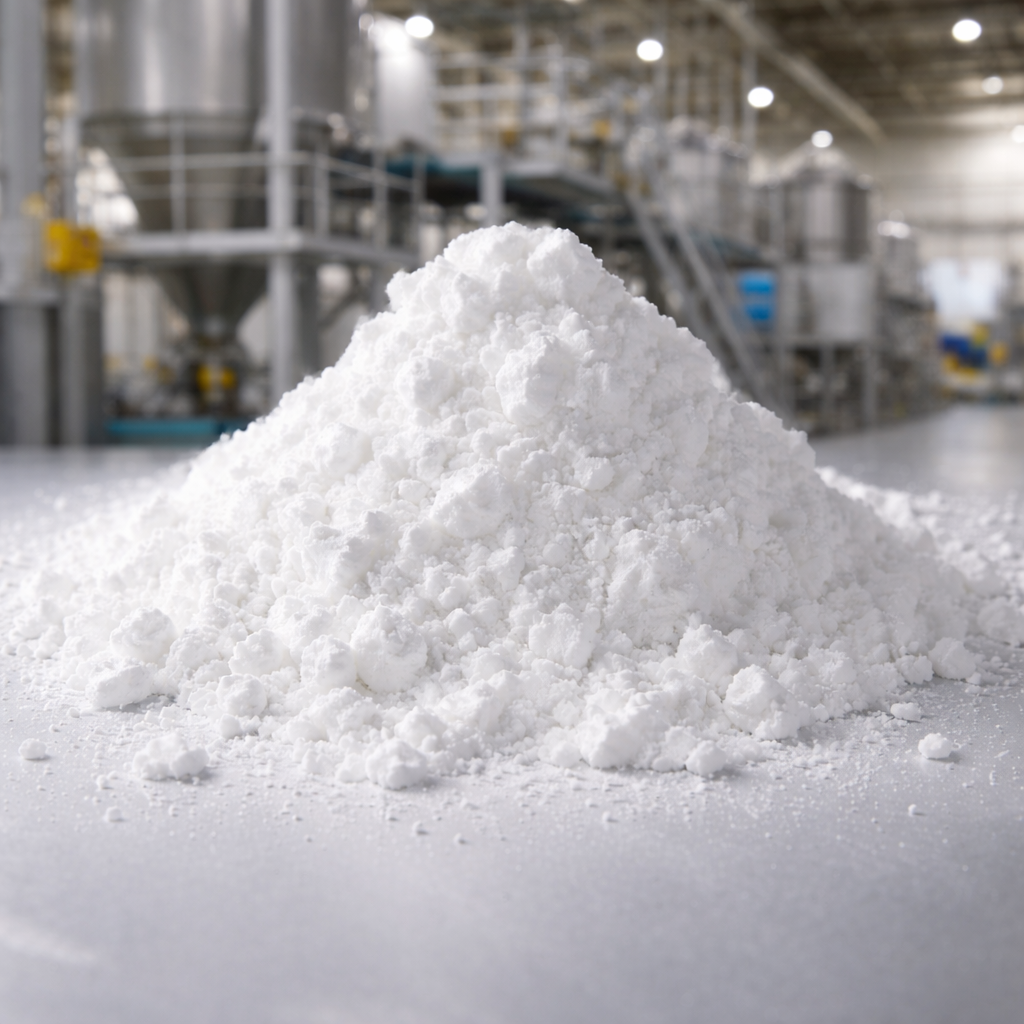
(May 14, 2026) Against the backdrop of the deepening of the national dual carbon strategy and the tightening of global carbon tariff policies, the silica industry is ushering in a green transformation with low-carbon production, recycling, energy conservation and emission reduction as the core. The traditional extensive production model with high energy consumption and high emissions has accelerated its withdrawal, and the low-carbon silica project with solid waste utilization, waste heat recovery and zero wastewater discharge as the core has been rapidly implemented, and green production capacity is becoming the core competitiveness of enterprises to seize the domestic and foreign markets.
The energy consumption of silica production is high, and the carbon emissions in the preparation of soda ash and sodium silicate and reaction calcination are prominent, which has long been the focus of environmental protection control in the industry. Recently, environmental protection and energy consumption constraints have continued to increase in various places, and many places have restricted the production capacity of new ordinary precipitation method silica, forcing enterprises to carry out energy-saving technological transformation. Many enterprises have effectively reduced energy consumption and carbon emissions per unit product by optimizing the reaction process, waste heat recovery, and circulating water system transformation; Some enterprises innovatively use rice husk ash and industrial by-product silicon sources to produce silica, realize the resource utilization of solid waste, and greatly reduce the carbon footprint.
Green advantages are directly transformed into market dividends. The procurement standards of downstream customers such as domestic new energy, photovoltaics, and high-end rubber are becoming increasingly stringent, and priority is given to low-carbon certified silica; In terms of overseas markets, the EU carbon border tax and the entry threshold for environmental protection in many countries have been raised, low-carbon silica can avoid additional carbon costs, orders in Southeast Asia, Europe and the Middle East have increased significantly, and export premium capacity has been significantly improved.
In contrast, high-carbon and inefficient small and medium-sized production capacities are facing pressure to limit production, rectification, and elimination, and the industry concentration has been further improved. With the advantages of green production, leading enterprises bind downstream high-quality customers and have stronger order stability; If small and medium-sized manufacturers cannot complete the green upgrade, they will gradually withdraw from the mainstream market, and the involution pattern of the industry will be alleviated.
According to the analysis of industry institutions, the future silica market competition is no longer just price competition, but also the competition of green qualifications, carbon footprint, and environmental protection standards. Low-carbon is not only a mandatory policy requirement, but also a key key to opening up high-end export markets and binding the new energy industry chain, and green transformation will become the only way for silica enterprises to survive and develop in the next few years.