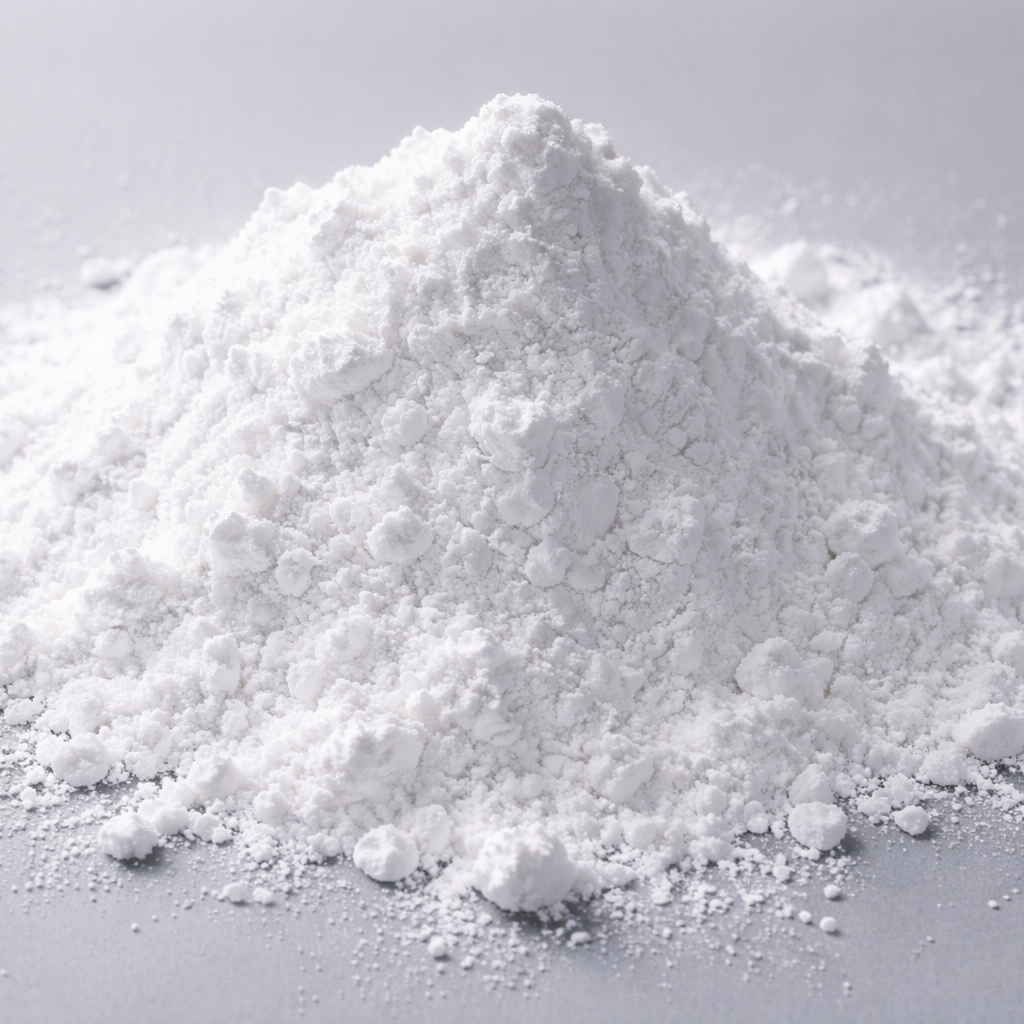
(May 12, 2026) With the implementation of domestic policies for the new materials industry and the continuous upgrading of green production standards, the silica industry is bidding farewell to its traditional extensive development model. It is shifting from mere capacity competition towards high-end, functional, and green development paths, leading to a new round of market restructuring and gradually highlighting structural opportunities.
In the past, the development of this industry primarily focused on general-purpose precipitated silica, resulting in severe product homogenization and excess capacity in the lower-end market. Recently, due to factors such as environmental restrictions on production, dual controls on energy consumption, and the upgrading of downstream industries, a number of small and medium-sized enterprises with outdated technologies or non-compliant pollution emissions have ceased operations. This has further tightened the supply side of the industry, effectively alleviating the intense competition in the lower-end market. At the same time, leading companies are accelerating their efforts to develop high-end products such as modified silica, hydrophobic silica, and specialized silica with high specific surface areas to meet the needs of emerging sectors such as new energy, new materials, and fine chemicals. As a result, the added value of these products has significantly increased.
At the downstream application level, there is a clear trend towards differentiation. Demand in traditional areas such as tire rubber remains stable, while emerging markets like silicone rubber, lithium battery materials, sealants, high-end coatings, daily chemical products, and agricultural silicone additives are placing higher demands on the dispersibility, oil absorption value, and particle size stability of silica. As a result, orders for high-end specialized silica products continue to rise, and some customized products are in short supply.Especially in areas such as seals for new energy vehicles, photovoltaic adhesives, and reinforcement of composite materials, domestically produced fumed silica is gradually replacing imported products, offering significant potential for market growth.
In terms of costs, the prices of raw materials such as sodium silicate, quartz sand, and various acid-base additives have recently seen slight fluctuations. Additionally, increasing investments in environmental protection measures and energy-saving technological upgrades have forced companies to phase out low-end production capacity and shift towards more refined manufacturing practices. At the export level, regions such as Europe, America, and Southeast Asia have raised their requirements for environmentally friendly fumed silica with low impurities. As a result, domestic companies that meet these standards gain a competitive advantage in exports, shifting their product mix from general-purpose products to high-end modified products.
Industry experts believe that in the future, the fumed silica industry will no longer be characterized by competition based on production capacity or prices. Instead, it will focus on technological innovation, customized services, and green production methods. With the continued expansion of new energy industries and high-end manufacturing sectors, high-end functional fumed silica is expected to become the key driver of industry growth. Leading companies with technical expertise and sufficient production capacity will continue to reap the benefits of this industry transformation.