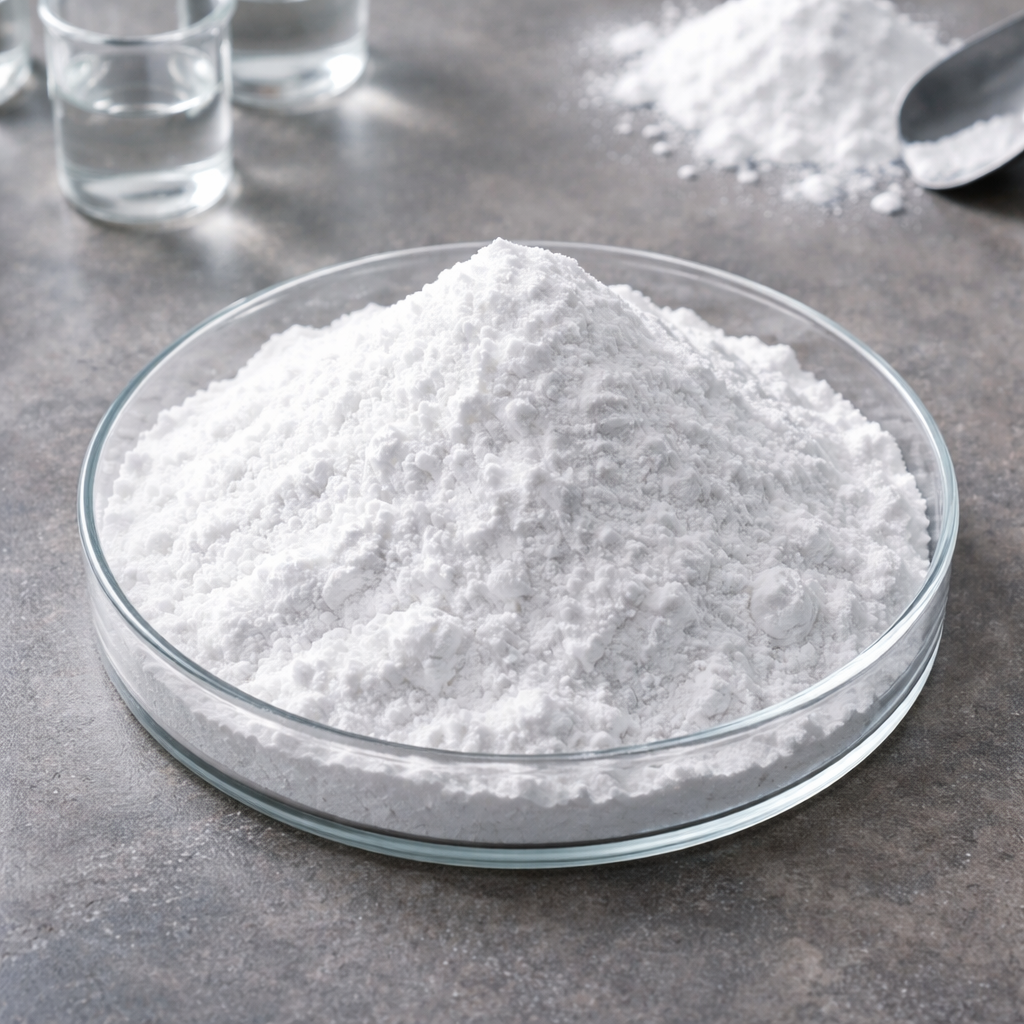
(May 6, 2026) Entering the second quarter of 2026, the domestic silica industry is undergoing profound changes driven by the triple environmental protection policy, high costs, and demand restructuring. The clearance of low-end production capacity is accelerating, green and low-carbon projects are intensively implemented, and import substitution and export breakthroughs of high-end products are simultaneously promoted. The industry officially bids farewell to the era of extensive mass production and enters a new development stage of green compliance, high-end customization, and global competition.
1. The new environmental protection policy has been vigorously implemented, and the industry has ushered in a mandatory green reshuffle
In the second quarter of 2026, new environmental protection regulations, dual energy consumption controls, and exhaust gas and wastewater emission standards in the domestic chemical industry will be comprehensively tightened. The silica industry will be the first to bear the brunt and usher in a mandatory green reshuffle. The traditional precipitation process has pain points such as large emissions, large water consumption, and large amounts of solid waste. Small and medium-sized workshop-style factories that used to rely on low cost to seize the market are being rapidly eliminated.
Jiangsu Province has implemented new regulations in January 2026, clearly restricting non-gas phase method and non-carbon dioxide acid process silica devices, and phasing out ordinary-grade silica devices below 15,000 tons/year. Leading companies such as Sanming Fengrun Chemical responded positively and invested 43 million yuan to promote technological transformation, replace outdated coal-fired equipment, build new LNG gasification stations, and upgrade clean production. Industry data shows that in the first quarter of 2026, more than 200,000 tons of backward silica production capacity has been shut down in China, and it is expected that the elimination of low-end production capacity will exceed 500,000 tons throughout the year, and industry concentration continues to increase.
2. Ten billion-level low-carbon projects are implemented, and the carbon dioxide acidification method leads technological innovation
Under the wave of green transformation, low-carbon and clean production technologies have become the core competitiveness of the industry. In early April 2026, the 200,000 tons/year carbon dioxide acidification silica project (Phase I) with a total investment of 1.02 billion yuan was announced and implemented in Changle County, Weifang, Shandong, and was invested and constructed by Zhongke Rich Hydrogen (Shandong) New Energy Co., Ltd. The project will be constructed in three phases, with an investment of 360 million yuan in the first phase, covering an area of 101 acres, and two new production lines. After reaching capacity, it will have an annual output of 60,000 tons of high-end silica. It is expected to be completed and put into production in February 2027.
The carbon dioxide acidification process is the current cutting-edge technology in the industry. Compared with traditional processes, it can reduce wastewater emissions by more than 60% and solid waste production by 40%. It can also effectively utilize carbon dioxide resources, which is in line with the requirements of the "double carbon" strategy. After the project is completed, it will become one of the largest low-carbon silica production bases in China, helping China's silica industry achieve green technology overtaking.
3. High costs force prices to rise, putting industry profits under pressure
Since 2026, the silica industry has faced severe cost pressure, and the price of core raw material sulfuric acid has continued to skyrocket. Affected by multiple factors such as tight sulfur supply caused by geopolitical conflicts in the Middle East, centralized maintenance of domestic equipment and rigid release of demand, as of March 31, the benchmark price of sulfuric acid reached 1,580 yuan/ton, an increase of 49.41% from the beginning of the month; it further rose to 1,742.50 yuan/ton in early April, an increase of more than 150% from the low in 2025.
Under heavy cost pressure, from March to April 2026, silica companies in major domestic production areas such as Fujian, Shandong, and Jiangxi issued price adjustment notices intensively. The prices of the entire series of products were increased by 500 yuan/ton. Combined with the price adjustment in early March, the industry's cumulative increase reached 800 yuan/ton. The current mainstream quotation in the market is 6,300-7,000 yuan/ton, an increase of 12%-18% from the end of 2025. However, the price adjustment range is still difficult to fully cover the cost gap, and the company as a whole is in a passive state of making up for losses.
4. Demand structure changes drastically, high-end and emerging markets become growth engines
In the second quarter of 2026, the silica industry will usher in a demand-side-led structural restructuring. The growth rate of demand in the traditional tire and rubber field has slowed down, while emerging terminals such as new energy rubber compounds, electronic seals, high-end coatings, and pharmaceutical and food excipients have risen rapidly, and their proportions have continued to increase. Third-party data shows that the domestic industrial silica market will exceed 8 billion yuan in 2025, of which demand in the coatings and rubber and plastics fields will account for more than 70%; the market size is expected to reach 9.5 billion yuan in 2026, with demand in emerging fields accounting for more than 35%.
Foreign trade exports have experienced explosive growth, changing the past export pattern of low-end general products. Export orders for modified silica, high-purity vapor phase silica, and functional nano silica have increased significantly. Export destinations shifted from traditional Southeast Asia to the Middle East, Africa and South America, and exports to the EU increased slightly by 0.8% due to the impact of the carbon border adjustment mechanism. Although Japan and South Korea are still net exporters of high-end vapor-phase silica, the average export price of China's products has increased from 55% in 2023 to 62.3% in 2025, and the import substitution process has accelerated.
5. Industry Outlook: 2026 will be a critical year for transformation, and the high-end self-sufficiency rate will increase significantly.
As the "Action Plan for the High-Quality Development of Inorganic Silicon Materials" continues to advance, 2026 will become a critical year for the transformation and upgrading of the silica industry. At the policy level, by the end of 2026, the self-sufficiency rate of high-end silica needs to be increased to 50%, and energy consumption per unit output value needs to be reduced by 20%. At the market level, the global silica market is expected to exceed US$10.5 billion, and China's production capacity will account for more than 45%, becoming the world's largest producer and consumer.
In the future, leading companies with green and low-carbon technologies, high-end R&D capabilities, and global market layout will continue to benefit, and the industry will form a competitive landscape of "leading leaders, specialized new companies breaking through in segments". At the same time, with the rapid development of emerging industries such as new energy vehicles, energy storage, and high-end electronics, the application of silica in highly dispersible tires, lithium battery separators, electronic packaging materials and other fields will be further deepened, opening up new growth space.
http://www.siliconeoil.net