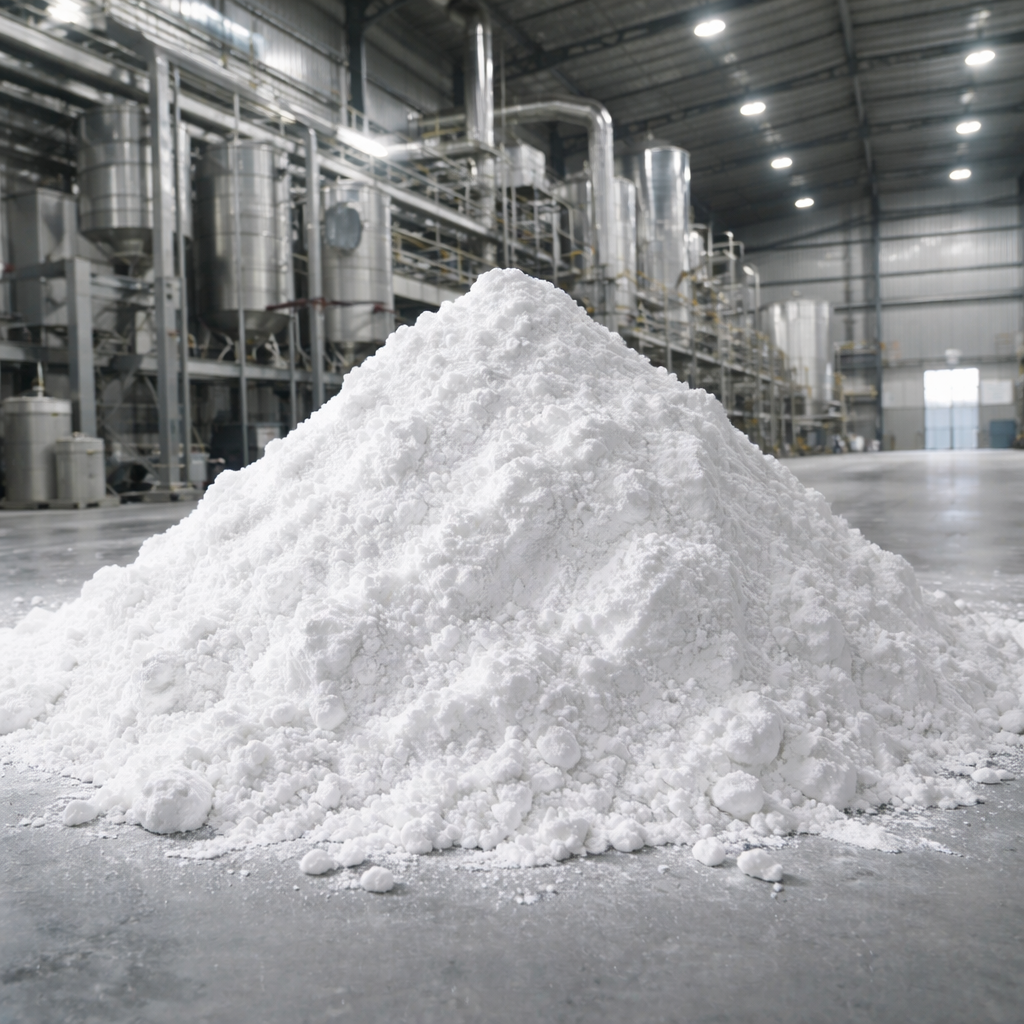
(May 2, 2026) Entering the second quarter of 2026, the domestic silica industry is undergoing a triple change of new environmental protection policies, raw material fluctuations and demand upgrades, and the industry is accelerating its transformation to green and low-carbon, high-end dedicated, and export-oriented. With the landing of 10 billion low-carbon projects in Shandong, the surge in exports of high-end products, and the accelerated clearance of traditional production capacity, the silica industry is moving from "scale expansion" to a new stage of "value enhancement".
1. Green and low-carbon projects have been intensively implemented, and the industrial pattern has been reshaped
Recently, the 200,000 tons/year carbon dioxide acidification silica project (phase I) invested by Zhongke Hydrogen Rich (Shandong) New Energy Co., Ltd. was announced in Shandong Changle, with a total investment of 1.02 billion yuan, and was built in three phases. The first phase will invest 360 million yuan, cover an area of 101 acres, build two new production lines, and produce 60,000 tons of high-end silica per year after reaching production, which is expected to be put into operation in February 2027. The project uses carbon dioxide acidification to replace the traditional high-pollution process, which can greatly reduce wastewater and solid waste emissions, and meets the requirements of the new environmental protection policy.
During the same period, the new environmental protection regulations and the dual control policy of energy consumption were fully tightened, and the traditional sedimentation production lines with high energy consumption and high pollution were shut down at an accelerated pace. Industry data shows that in the first quarter of 2026, more than 150,000 tons/year of backward production capacity has been withdrawn from China, and compliance and low-carbon have become hard thresholds for enterprise survival. Leading enterprises have accelerated the layout of green production capacity, and the patented technology of rice husk ash to prepare silica has been industrialized to promote the development of the industry's circular economy.
2. The cost of raw materials is high, and product prices continue to rise
Since the beginning of spring 2026, the price of sulfuric acid, the core raw material of silica, has soared by nearly 50%, hitting a 20-year high. In order to alleviate cost pressure, from March to April, enterprises in Fujian, Shandong, Jiangxi and other major producing areas collectively raised the price of silica by 500 yuan/ton, with a cumulative increase of 800 yuan/ton. As of the beginning of May, the mainstream market quotation is 6300-7000 yuan/ton, up 12%-18% from the end of 2025.
The performance of the vapor phase silica market is more strong, with high-end electronic grade products priced at 22,000-28,000 yuan/ton, and low-end products priced at 15,000-17,000 yuan/ton, which is expected to continue to be strong in the short term.
3. The demand structure has changed drastically, and the high-end market has ushered in an explosion
The growth rate of demand in the field of traditional tires and rubber has slowed down, while the rapid rise of emerging terminal demand such as new energy rubbers, electronic seals, high-end coatings, and pharmaceutical and food accessories has forced the upgrading of the industry's product structure. In 2025, the domestic industrial silica market size will exceed 8 billion yuan, of which the demand in the field of coatings and rubber and plastics will account for more than 70%.
Foreign trade exports ushered in explosive growth, and export orders for modified silica, fumed high-purity silica, and functional nano silica rose sharply, changing the pattern of exporting low-end general products in the past. In the global new material market, domestic high-end silica has gradually achieved import substitution, and the market voice has continued to increase.
4. Industry development trend: high-end, refinement, internationalization
Industry experts said that the silica industry will show three major trends in the future:
High-end transformation: The "Action Plan for the High-quality Development of Inorganic Silicon Materials" proposes to increase the self-sufficiency rate of high-end silica to 50% by 2026, and reduce energy consumption per unit of output value by 20%. Enterprises have increased investment in R&D, focusing on breaking through the technical bottlenecks of high value-added products such as electronic grade, pharmaceutical grade, and new energy specialization.
Refined customization: Bidding farewell to the era of extensive mass production, turning to specialized and customized development, developing differentiated products for different downstream application scenarios, and enhancing product added value and market competitiveness.
International layout: Domestic leading enterprises accelerate overseas market expansion, participate in global competition through technology export, production capacity cooperation, etc., and attract international high-end talents and technologies to promote industrial upgrading.
http://www.siliconeoil.net