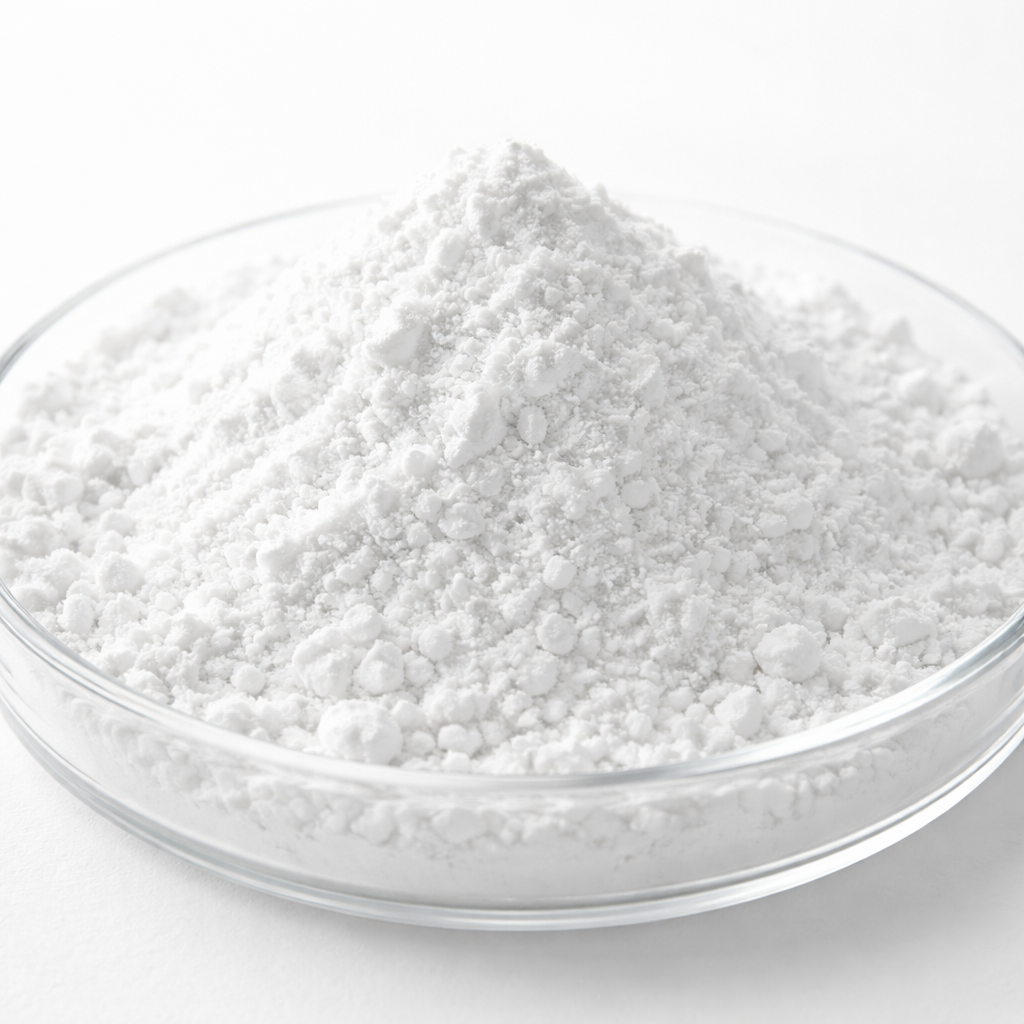
(May 1, 2026) With the comprehensive upgrading of downstream industries such as rubber products, silicones, coatings and inks, new energy lithium batteries, and daily chemicals and pharmaceuticals to high-end, environmentally friendly, and functional, silica, as a key powder filler, is bidding farewell to the extensive development model of simply fighting for production capacity and price in the past, and has fully entered a new stage of development of deep cultivation, functional customization, and specialized matching of subdivision tracks.
In the past, the silica industry was mainly based on general-purpose precipitation products, with serious homogenization and blurred boundaries of application scenarios, and enterprises mostly relied on cost competition to seize market share. At present, the downstream industry standards continue to improve, and the particle size distribution, specific surface area, dispersion, thixotropy, adsorption and other indicators of silica are put forward to be precise, and it is difficult for general-purpose models to adapt to high-end production needs.
In the field of silicone, liquid silicone rubber and high-temperature vulcanized silicone rubber special silica need to strictly control the degree of hydrophobic modification and reinforcement performance, and eliminate problems such as yellowing, cracking, and mechanical property attenuation; In the coating and ink industry, matting silica requires stable matting efficiency, good suspension, and does not affect the transparency of the paint film, making it a standard raw material for high-end wood paints and industrial paints. On the green tire track, highly dispersed modified silica has become the core additive to reduce rolling resistance and improve driving safety, which has become a rigid configuration for tire enterprises.
The demand for ultra-high purity, low impurity, nanoscale fumed phase silica continues to rise, and the long-term dependence on imports is gradually being broken by domestic technology.
At the same time, in the fields of people's livelihood and health, such as food anti-caking agents, pharmaceutical excipients, and feed additives, the requirements for heavy metal content, microbial indicators, and environmental compliance of silica are becoming increasingly stringent, forcing production enterprises to upgrade production processes, establish a full-process quality control system, and lay out high value-added categories such as food grade and pharmaceutical grade.
Industry observers said that the core competitiveness of the silica industry in the future is no longer the scale of production capacity, but the ability to understand downstream subdivided industries, exclusive formula research and development capabilities, and customized production supporting capabilities. Those enterprises that are accurately rooted in a single application track and can provide material solutions for downstream customers will continue to enjoy industry dividends; Manufacturers who stick to general low-end products and lack technology iteration capabilities will gradually be marginalized by the market, and the industry as a whole will move steadily in the direction of specialization, refinement and high added value.