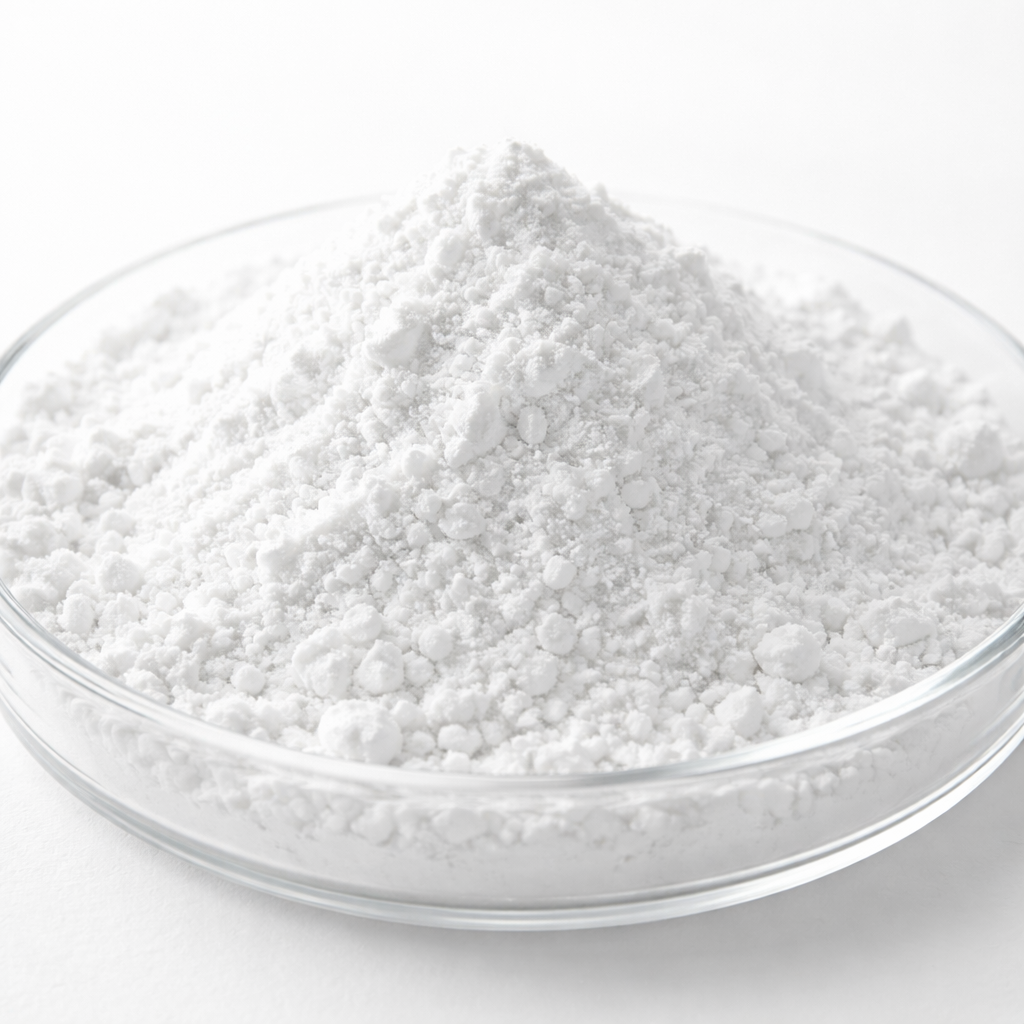
(April 24, 2026) China's silica (silica) industry is in a critical window period of high costs, high prices, drastic structural changes, and technological breakthroughs. The latest market data, project dynamics and policy signals show that: the surge in raw materials has pushed the prices of common products to remain at a high level, and the supply of high-end models is in short supply; major projects have been intensively implemented in Shandong, Fujian and other places, and backward production capacity has been accelerated; there have been intensive breakthroughs in green technologies such as rice husk ash preparation and carbon dioxide acidification methods, and the industry has officially entered a new stage of "reconstructing the competitive landscape with high-end and green solutions".
1. Market conditions: Strong cost support, stable prices at high levels, and high-end goods in short supply
As of April 24, the domestic silica market continued to maintain the trend of "common products are stable, high-end products are rising, and green products are in demand", with cost-side pressure still being the core support for the market.
Prices remain stable at high levels: mainstream quotations for general-purpose silica by precipitation method are 6,000-6,300 yuan/ton, and rubber-specific grades are 6,300-7,000 yuan/ton, with a cumulative increase of 12%-18% from the end of 2025. After the industry collectively raised the price by 500 yuan/ton in early April, prices have entered a period of high consolidation, and companies have a strong willingness to raise prices.
Raw material costs remain high: the price of sulfuric acid (the core raw material of silica) has skyrocketed by nearly 50% since the beginning of the year, hitting a 20-year high of 1,742.50 yuan/ton in early April; soda ash and coal prices are simultaneously running at high levels, directly pushing up production costs. Even after the price increase, companies are still passively making up for losses.
The high-end market is in short supply: high-end products by gas phase method are quoted at 16,000-32,000 yuan/ton. Orders for highly dispersible, food-grade, pharmaceutical-grade and green low-carbon silica are full. Exports have increased by more than 20% year-on-year. Southeast Asia, Europe, and the Middle East are the main incremental markets.
2. Industry trends: Major projects are being implemented, and backward production capacity is being eliminated at an accelerated pace
The industry is undergoing a restructuring of production capacity structure, with low-end production capacity accelerating the withdrawal, green and low-carbon production capacity being released intensively, and regional cluster effects becoming prominent.
Tens of billions of projects are under intensive construction: the 200,000 tons/year carbon dioxide acidification silica project (total investment 1.02 billion yuan) in Changle County, Weifang, Shandong is advancing steadily, with a first-phase investment of 360 million yuan, an annual output of 60,000 tons, and is expected to be put into production in February 2027; this process is a green technology encouraged by the state and can significantly reduce carbon emissions.
Accelerating the clearance of backward production capacity: Jiangsu Province will implement new regulations starting from January 2026, phasing out ordinary-grade silica equipment below 15,000 tons/year, and restricting non-gas phase process and non-carbon dioxide acid process equipment; leading companies such as Sanming Fengrun Chemical invested 43 million yuan in technical transformation to replace coal-fired hot blast stoves with gas-fired equipment, in response to the "coal-to-gas" policy.
Industry concentration continues to increase: CR10 (concentration ratio of the top ten companies) will rise from 28% in 2021 to 42% in 2026. Leaders such as Quecheng Technology, Jinneng Technology, and Black Cat Technology continue to seize the market share of small and medium-sized enterprises by virtue of their industrial chain advantages and large-scale production capacity.
3. Technological breakthrough: Green technology is implemented and domestic high-end technology breaks through
Technological innovation has become the core tool to break through cost pressure and break through overseas monopolies. Patent breakthroughs have been made intensively in technologies such as rice husk ash solid waste utilization, microwave-assisted preparation, and high-pressure spray carbonization.
The rice husk ash silica production technology was patented: On April 23, Shaanxi Sekoris applied for a patent for "a silica and its preparation method and application" (CN121894667A). Using rice husk ash as the silicon source, silica is prepared through microwave-assisted reaction, composite impurity removal, and high-pressure spray carbonization. This process realizes the recycling of solid waste, and the product can significantly improve the wear resistance and aging resistance of rubber, and has both environmental protection and performance advantages.
The localization of gas-phase process technology is accelerating: Domestic companies have broken through the bottleneck of high-purity and highly-dispersed gas-phase process silica technology, and the product performance is close to international benchmarks. It has been used in high-end silicone rubber, electronic packaging materials, high-end coatings and other fields in batches, gradually replacing imports.
Green and low-carbon processes have become mainstream: the penetration rate of low-energy, low-emission processes such as carbon dioxide acidification and silane hydrolysis has increased rapidly, and the comprehensive energy consumption of leading companies has dropped by 18.5% compared with 2020, helping the industry achieve the "double carbon" goal.
4. Policies and trends: improving standards, improving exports, and high-quality development as the main line
Industry standards continue to be refined: Competent authorities and associations have improved the quality standards for silica, clarified the core index requirements for precipitation method and gas phase method products such as purity, particle size, and dispersion, strengthened market supervision, cracked down on substandard products, and promoted the standardized development of the industry.
The export market continues to pick up: the global tire and silicone rubber industries have recovered, overseas orders have returned, China's silica exports have increased month-on-month, and high-end models have continued to increase their competitiveness in the international market with their cost-effective advantages.
Prediction of future trends: In the short term (1-3 months), supported by high raw material prices, silica prices will remain high and fluctuate, and high-end products are easy to rise but difficult to fall; in the medium and long term (6-12 months), with the release of green production capacity and the clearance of backward production capacity, the industry will enter a new stage of high-quality development, and technology, cost, and environmental protection capabilities will become the core competitiveness of enterprises.
Conclusion
In 2026, China's silica industry is bidding farewell to the old era of "low-price competition and scale expansion" and entering a new cycle of "high-end leadership, green drive, and technology is king." Under the dual effects of high costs and policy guidance, leading companies with advantages in technology, production capacity, and environmental protection will continue to be strong, while small and medium-sized enterprises lacking core competitiveness will be eliminated at an accelerated pace, and industry reshuffle will further intensify.