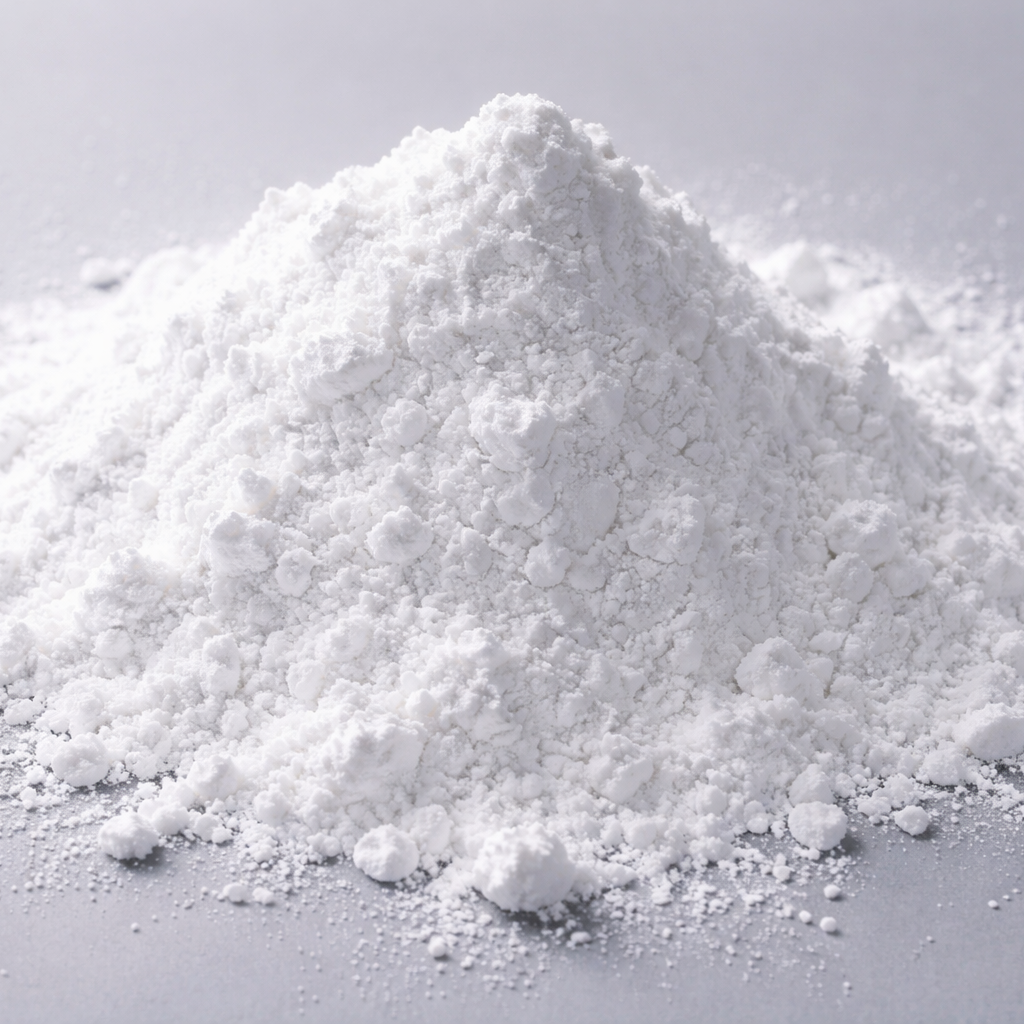
(April 24, 2026) With the rapid development of the new material industry, silica, as an important nano-inorganic functional filler, continues to break through the application boundaries, no longer limited to traditional industrial fields, and has been widely implemented in emerging segments, and the added value of the industry continues to be explored.
In traditional scenarios, silica is mainly used in tire reinforcement, rubber products, ordinary coatings matting and other fields, and the market application is mature and the competition is saturated. At this stage, with the continuous maturity of material modification technology, silica has rapidly penetrated many types of emerging industries by virtue of its multiple excellent properties such as reinforcement, thickening, anti-sagging, heat insulation, moisture-proof, and anti-caking.
In the field of daily chemical beauty, modified silica is widely used in loose powder, toothpaste, and skin care products, which plays a role in absorbing oil, thickening, anti-slip, and improving the texture of use. In the food industry, food-grade silica is used as an anti-caking agent to ensure the stability of powdered food storage, and the market needs to grow steadily.
The new energy and electronics industries have become the core incremental tracks. In scenarios such as lithium battery separator coatings, energy storage sealing components, and electronic potting adhesives, the demand for high-purity, ultra-fine fumed silica has surged, relying on the characteristics of insulation, high and low temperature resistance, and strong stability, which meets the requirements of long-term use of new energy products. At the same time, in the fields of photovoltaic materials, industrial anti-corrosion coatings, and high-end silicone sealants, silica has become an indispensable core auxiliary material.
In order to match the customized needs of different scenarios, the focus of industry R&D has shifted to differentiated modification research and development, and customized grades such as hydrophobic, hydrophilic, low oil absorption, and high dispersion have been continuously iterated to accurately adapt to the technical index requirements of different industries. The upgrading of downstream terminal industries has forced material iteration, which in turn has promoted technological innovation and product refinement upgrading in the silica industry.
On the whole, silica is transforming from a traditional basic chemical raw material to a high-end functional new material that is used in many fields. Relying on the demand support of multiple scenarios, the resilience of industry development has been further enhanced, and segmentation customization and functionality will become the mainstream direction of the long-term development of the silica industry in the future.