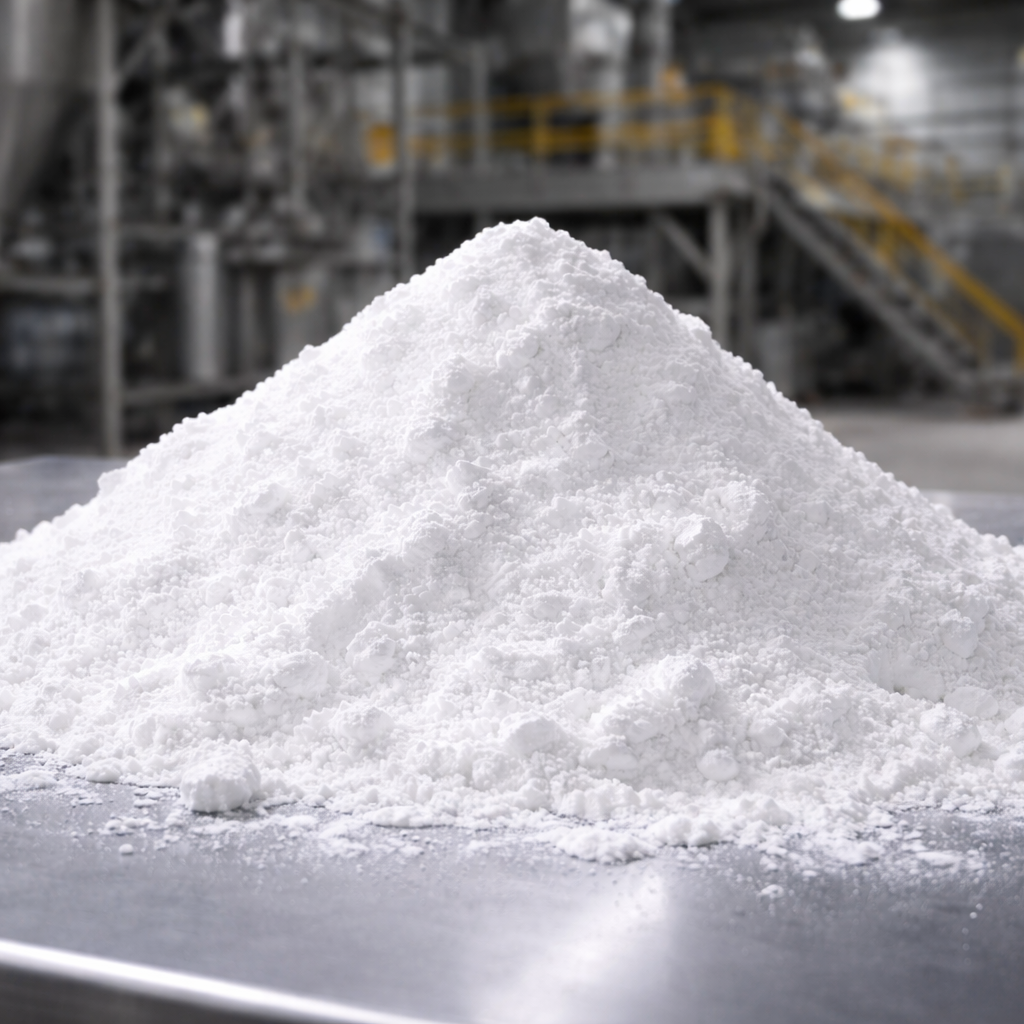
(April 17, 2026) Entering the second quarter of 2026, the domestic silica (precipitated silica) market ushered in drastic changes at both cost and demand ends, and the industry showed a distinct pattern of "internal rise and external prosperity, structural upgrading". Driven by the sharp rise in raw materials, enterprises collectively adjusted prices; At the same time, overseas demand is picking up, the export volume and price of high-end products are rising, and the industry is accelerating towards high-quality development under pressure.
1. Raw materials "epic" skyrocketing The industry welcomes the collective price increase
The price of sulfuric acid, the core raw material, continues to get out of control, becoming the biggest driver of this round of market. Sulfuric acid prices have soared since the beginning of the year due to the triple impact of tight sulfur supply caused by geopolitical conflicts in the Middle East, centralized maintenance of equipment in major domestic production areas and the release of downstream rigid demand. As of April 15, the average spot price of domestic sulfuric acid exceeded 2,000 yuan/ton, an increase of more than 150% from the low point in 2025, setting a record high in nearly 20 years.
Sulfuric acid accounts for 35%-40% of the production cost of precipitated silica, and every 100 yuan/ton increase in its price will directly lead to an increase of 80-100 yuan/ton in the cost of silica. In the face of unbearable cost pressure, from mid-March to early April, enterprises in Fujian, Shandong, Jiangxi, Zhejiang and other major producing areas across the country intensively issued price adjustment letters, announcing a unified increase of 500 yuan/ton for all series of products. Coupled with the first round of price adjustment in early March, the cumulative increase in the industry has reached 800 yuan/ton.
At present, the mainstream quotation of precipitation rubber-grade silica market has reached 6300-7000 yuan/ton, an increase of 12%-18% from the end of 2025. The special model of silicone rubber is quoted higher, up to 6800-8000 yuan/ton. Despite the sharp price adjustment, companies still say that it is difficult to fully cover the cost gap, and the industry is generally in a state of "passive loss compensation". According to industry insiders, if sulfuric acid prices continue to run at a high level, it is not ruled out that a second round of price increases will be launched from the end of April to the beginning of May.
2.Overseas demand picked up strongly, and the export volume and price of high-end products rose sharply
In contrast to domestic cost pressure, the silica foreign trade market ushered in explosive growth. With the full resumption of work and production in downstream industries such as tires, silicone rubber, and coatings around the world, overseas orders have returned in a concentrated manner, and China's silica exports have shown a trend of "rising volume and price".
According to the latest data from the customs, since April, China's export orders for highly decentralized, food-grade, green and low-carbon silica products have increased by more than 20% year-on-year. Southeast Asia, Europe, and the Middle East have become the main incremental markets, among which high-dispersion silica for green tires and high-purity products for daily chemicals and food are the most in demand. A number of leading enterprises said that the current foreign trade production scheduling plan has been scheduled to mid-to-late May, and some special specification products even have a situation of "hard to find".
The analysis pointed out that this round of export boom is due to the recovery of infrastructure and automobile markets along the "Belt and Road" on the one hand, and on the other hand, it is due to the significant improvement in the quality of domestic silica, which has surpassed some international brands in terms of cost performance, and accelerated the realization of import subsistence and overseas expansion.
3. Green production capacity has become the key to breaking the situation New projects have been intensively implemented
In the context of the accelerated reshuffle of the industry, green, low-carbon, low-consumption and efficient production capacity has become the core competitiveness of enterprises to break through. The traditional sulfuric acid process is gradually limited due to high cost and pollution, and environmentally friendly projects using new technologies are being intensively implemented.
On April 3, the 200,000 tons/year carbon dioxide acidification silica project with a total investment of 1.02 billion yuan completed environmental protection publicity in Changle County, Shandong Province. The process abandons traditional sulfuric acid and uses industrial waste gas carbon dioxide to produce, greatly reducing costs and carbon emissions, with an annual output of 60,000 tons in the first phase of the project, which is expected to be put into operation in 2027.
At the same time, leading domestic enterprises have increased their investment in the research and development of highly dispersed and special silica. The application of functional and customized products (such as hydrophobic and conductive) in emerging fields such as lithium battery separators and electronic packaging has expanded rapidly, becoming a key growth point for hedging raw material costs and improving profitability.
4. Market outlook
On the whole, the silica market in the second quarter of 2026 will maintain the main tone of "strong support at a high level, good foreign trade, and structural optimization". In the short term, prices will remain firm supported by the cost of sulfuric acid; In the medium and long term, with the release of green new process capacity and the increase in the proportion of high-end products, the industry will gradually get rid of raw material dependence and enter a healthier development track. Downstream tire and silicone rubber companies need to pay close attention to cost transmission and actively optimize their supply chains to cope with market fluctuations.