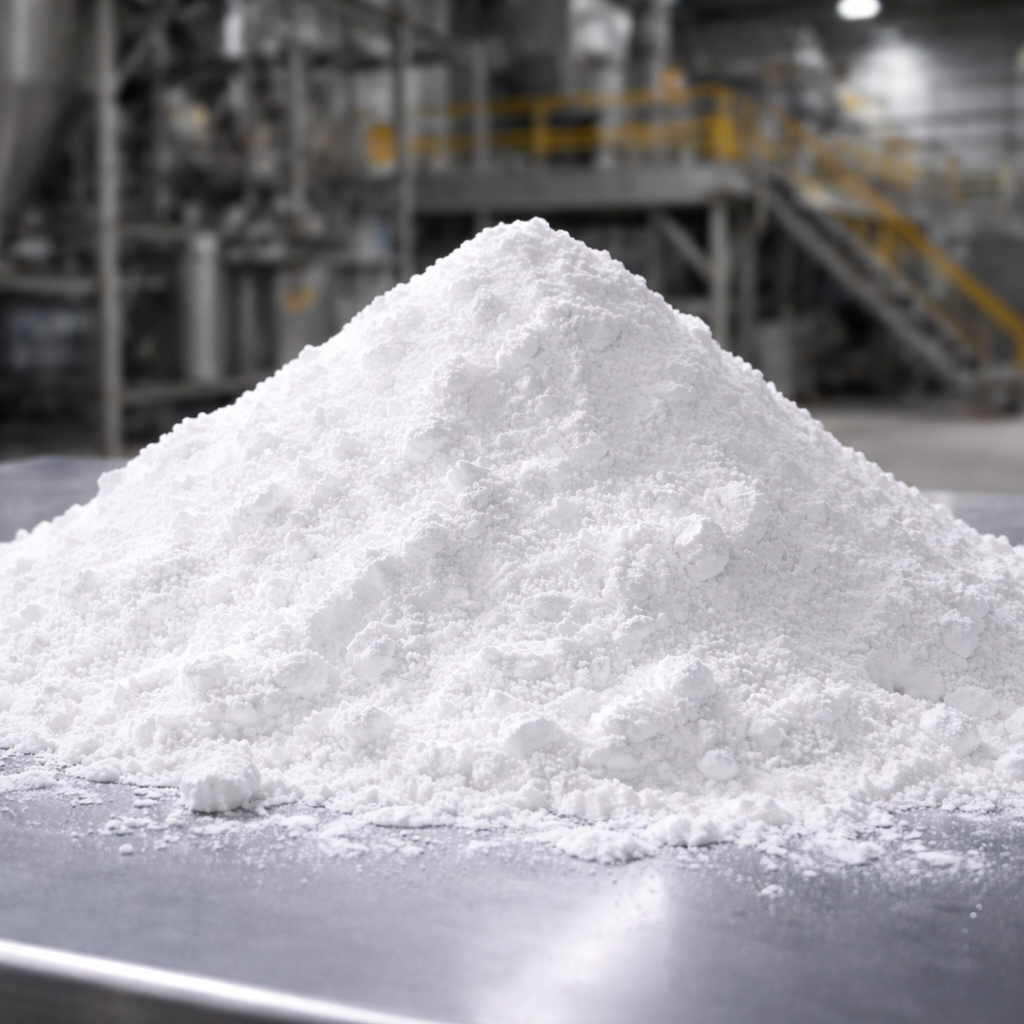
(April 15, 2026) Since 2026, the key determinants in the silica gel industry have gradually shifted from end-user demand and environmental policies to the supply side of raw materials. Due to adjustments in the production capacity of key raw materials such as sulfur and soda ash worldwide, geopolitical tensions, and the optimization of China’s industrial structure, the supply chain for silica gel raw materials is undergoing significant restructuring. This not only poses challenges such as cost fluctuations and unstable supply but also encourages companies to accelerate the upgrading of their supply chains and optimize their raw material allocation, thereby injecting new momentum into the high-quality development of the industry.
Sulfur and soda ash, the two primary raw materials used in the production of precipitated silica gel, play a decisive role in determining the production costs and capacity utilization rates of this industry. Unlike previous situations where price increases were due to issues with a single raw material, since 2026, the silica gel raw material market has exhibited new characteristics, such as coordinated fluctuations among multiple raw materials and regional disparities in supply, which have disrupted the long-established balance in raw material supply within the industry.
In terms of the sulfur market, structural shortages on the supply side have become a major issue. Due to maintenance activities at some sulfur production facilities in the Middle East and ongoing tensions in maritime transport across the Red Sea, China’s imports of sulfur have experienced temporary declines. Customs data shows that in the first quarter of 2026, China imported approximately 3.2 million tons of sulfur, a decrease of 8.3% year-on-year. At the same time, the average import price increased by 12.7% to reach 1,860 yuan per ton.At the same time, the release of domestic sulfur production capacity fell short of expectations. Some sulfur production facilities in the southwest and east China regions were temporarily shut down due to environmental protection requirements and equipment maintenance, further exacerbating the tight supply situation in the market. As a key raw material for the production of silica fume, sulfur accounts for approximately 45% of the total costs associated with its use. The rise in sulfur prices directly led to a significant increase in the production costs of silica fume. Some small and medium-sized enterprises were forced to reduce their operating rates due to difficulties in obtaining raw materials.
The soda ash market has shown a trend of "regional variation and imbalance between supply and demand." As efforts to reduce overcapacity in the domestic soda ash industry continue, some outdated production capacities in the northern regions have gradually been phased out, while new soda ash facilities in the south have not yet been fully put into operation. This has resulted in a situation where the supply of soda ash is tighter in the north and more abundant in the south. Data shows that in mid-April, the spot price of heavy soda ash in China was 2,850 yuan per ton, a 6.2% increase from the beginning of the first quarter. In areas such as North China and Northeast China, where silica fume is produced on a large scale, there is a severe shortage of soda ash supplies, and some companies are facing pressure to rush and purchase materials. In contrast, regions such as East China and South China have relatively more ample supplies due to imported soda ash. Additionally, the increasing demand from downstream industries such as glass manufacturing and detergent production has further diverted resources from the silica fume industry, increasing both the costs and difficulties faced by companies that rely on this raw material.In addition to the changes in core raw materials, variations in auxiliary materials and energy supply have also had a significant impact on the silica gel industry.
As the primary energy source for silica gel production, coal prices have remained high due to domestic coal production capacity controls and fluctuations in international energy prices. As a result, the energy cost per ton of silica gel has increased by approximately 15% compared to the end of 2025. At the same time, rising fuel costs and transportation restrictions in certain regions have further increased the overall operational expenses of companies. Under these combined factors, the average production costs in the silica gel industry increased by 18% to 22% year-on-year in the first quarter of 2026, leaving many small and medium-sized enterprises facing difficulties due to high costs and pressure on their profitability.
In response to these drastic changes in the raw material supply chain, silica gel companies of different sizes and with varying business models have adopted different strategies, leading to further differentiation within the industry. Leading companies have leveraged their scale advantages and supply chain management capabilities to mitigate the risks associated with raw material price fluctuations. For example, a prominent domestic silica gel company signed a three-year long-term supply agreement with a sulfur supplier in the Middle East to secure stable prices for its core raw materials. It has also established supporting facilities in major soda ash-producing areas, enabling it to increase its self-sufficiency rate in raw materials to over 60%, thereby significantly reducing its procurement costs and supply risks.Small and medium-sized silica enterprises face even greater survival pressures.Some of them choose to adjust their product mix by reducing the production of products that require high amounts of raw materials and turning instead to the production of specialty silica products that rely less on such materials. Others strengthen their cooperation with local raw material suppliers by establishing shorter supply chains, thereby lowering logistics costs and reducing procurement times. Additionally, some small and medium-sized enterprises band together to purchase raw materials collectively, thereby enhancing their bargaining power and alleviating the pressures associated with raw material procurement.
It is worth noting that the restructuring of the raw material supply chains also presents opportunities for transformation and development within the silica industry. On one hand, the持续 high costs of raw materials force enterprises to accelerate technological innovation. By improving production processes and increasing the efficiency with which raw materials are used, companies can reduce the amount of raw materials consumed per unit of product. For example, the “low-sulfur consumption precipitation method for producing silica” jointly developed by domestic research institutions and enterprises can reduce sulfur consumption per ton of silica by 10% to 15%, effectively easing the pressure related to raw material costs. On the other hand, the regional differentiation in raw material supply is leading to a concentration of silica production facilities near sources of raw materials.
This optimizes the industry’s overall layout and gradually fosters a coordinated development model featuring “raw material-producing areas” paired with “production bases,” thereby enhancing the efficiency of the entire supply chain.Industry analysts believe that the restructuring of the raw material supply chain for fumed silica in 2026 will become the core driving force for the industry’s development. The stability of raw material supply and the controllability of costs will be key factors determining a company’s competitiveness. In the short term, due to the tight supply of raw materials, the price of fumed silica is expected to remain high and volatile. In the long run, as companies optimize their supply chain arrangements and advance technological improvements, the industry will gradually move away from its dependence on a single source of raw materials or a single supply channel, resulting in significantly enhanced supply chain resilience.
Looking ahead, as maintenance work on sulfur production facilities in the Middle East is completed and new soda ash production capacity is gradually brought online in China, the tight supply situation of raw materials is expected to ease. However, it is unlikely that the high price levels of raw materials will change in the short term. For companies in the fumed silica industry, adapting actively to these changes in the raw material landscape, optimizing their supply chain strategies, improving their technical capabilities, and adjusting their product mix are essential if they wish to establish a solid foothold in this complex market environment and achieve sustainable development. In the future, the fumed silica industry is likely to see a pattern where leading companies dominate while smaller enterprises engage in differentiated competition. The trend towards more refined, diversified, and green supply chains will become new developments in this industry.