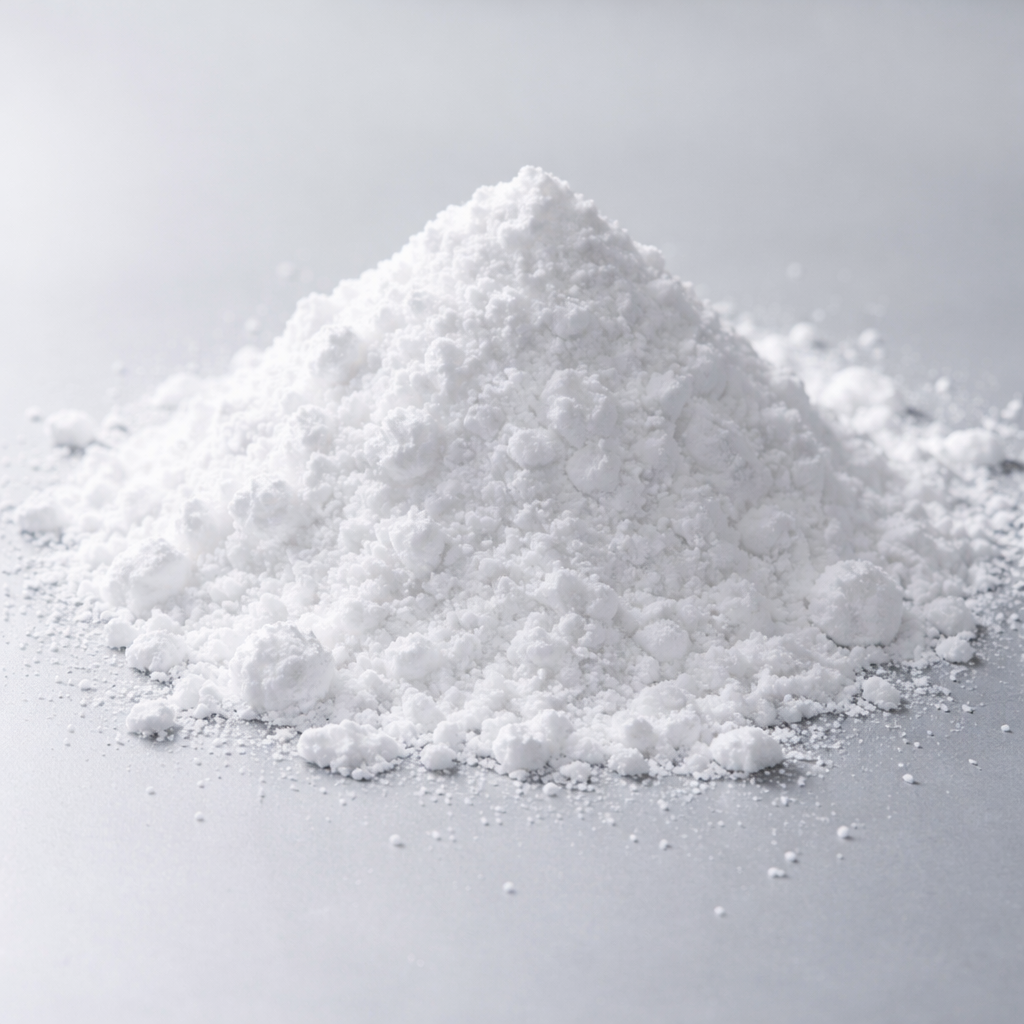
(April 15, 2026) Entering the second quarter of 2026, the domestic silica (precipitated silica) market has ushered in a new round of large-scale price adjustments, driven by the strong cost side. Affected by the skyrocketing price of the core raw material sulfuric acid and the continued disruption of energy and supply chains, companies in major production areas across the country have issued price increase letters intensively. Product prices have been raised cumulatively by up to 800 yuan/ton, and the industry has entered a high-level operating cycle with strong cost support. At the same time, green and low-carbon new process projects are being implemented intensively, traditional production capacity is being cleared at an accelerated pace, and the silica industry is undergoing profound structural changes.
Sulfuric acid surges to a 20-year high, cost pressure forces price increases across the board
The core trigger of this round of price increases is the “epic” surge in sulfuric acid prices. Affected by multiple factors such as the sulfur supply crisis caused by the geopolitical conflict in the Middle East, the centralized maintenance of domestic chemical equipment, and the rigid release of downstream demand, sulfuric acid prices have been soaring since March. Data show that on April 9, the spot price of sulfuric acid has exceeded 2,000 yuan/ton, an increase of nearly 50% from early March, an increase of more than 150% from the low in 2025, and a record high in the past 20 years.
As the core raw material of precipitation silica, sulfuric acid consumes about 0.45 tons per ton, accounting for 18%-22% of the production cost. This alone will increase the cost of silica per ton by about 300 yuan. Coupled with the simultaneous rise in soda ash, coal and logistics costs, the pressure on corporate production costs has increased sharply.
From mid-March to early April, companies in major silica production areas such as Fujian, Shandong, Jiangxi, and Jiangsu issued price adjustment notices intensively, announcing that starting from April 2, the prices of all series of products would be raised by 500 yuan/ton. Coupled with the first round of price adjustments in early March, the industry's cumulative increase has reached 800 yuan/ton. At present, the mainstream quotation in the precipitated silica market for silicone rubber has risen to 6,800-8,000 yuan/ton, an increase of 12%-18% from the end of 2025. Industry insiders said that even if prices are adjusted significantly, they still cannot fully cover the cost increase, and companies are generally in a state of "passively making up for losses."
Downstream demand is supportive, price transmission is smooth, and highs in the second quarter are expected
Faced with high prices for silica, downstream tire, silicone rubber, rubber products and other industries are under pressure, but due to the lack of effective substitutes, rigid demand has strong support. According to market feedback, most downstream companies have passively accepted the price increase and actively prepared stocks before the price increase. Currently, the inventory is relatively sufficient. At the order level, the operating rate of silica companies remains high, orders are full, and the market is showing a trend of "both volume and price rising".
Looking forward to the market outlook, analysts generally believe that silica prices will continue to remain strong until the prices of raw materials such as sulfuric acid do not drop significantly. If geopolitical conflicts continue or raw material supply tightens further, the industry does not rule out starting a third round of price increases. It is expected that the silica market will maintain high levels in the second quarter of 2026.
Green transformation accelerates, carbon dioxide method and biomass technology become investment hot spots
Under the dual pressure of high costs and environmental protection policies, the industry is accelerating its transformation towards green, low-carbon, and high added value. Recently, a number of large-scale silica projects using cutting-edge technologies have been announced and implemented, marking the arrival of a wave of technological upgrading in the industry.
Weifang, Shandong: Zhongke Hydrogen (Shandong) New Energy invested 1.02 billion yuan in the 200,000 tons/year carbon dioxide acidification method silica project (Phase I) and completed the environmental impact assessment announcement in early April. The first phase of the project has an annual output of 60,000 tons. It uses carbon dioxide to replace traditional sulfuric acid for acidification reaction to reduce pollutant emissions from the source. It is expected to be put into production in 2027.
Anhui and Jiangsu: Leading companies are accelerating the deployment of rice husk process (biomass) silica production capacity. The 23,360-ton production capacity of the Anhui base has been stably supplied, and the Yancheng Binhai 100,000-ton project is under planning. The products are in-depth compliance with international green tire procurement standards and create differentiated barriers.
Policy-driven: With the implementation of new regulations in Jiangsu and other places, the policy effects of restricting non-green processes and eliminating low-end backward production capacity (ordinary devices below 15,000 tons/year) have emerged. The industry is accelerating the elimination of inefficient production capacity and promoting the concentration of resources towards leading companies with technology and scale advantages.
High-end technology breakthroughs, domestic substitution accelerated
At the technical level, domestic high-end silica has made key progress. Domestic scientific research institutions have recently announced technological breakthroughs in the field of highly dispersed, high-specific surface area hydrophilic silica. The product performance has reached the internationally leading level and can be directly applied to green tires, high-end silicone rubber and other fields. This move effectively breaks the long-term monopoly of foreign giants in the high-end market and helps reduce costs and increase efficiency in the domestic tire and new energy industry chains.
Conclusion
The silica industry in 2026 is at a critical crossroads where “cost crisis” and “transformation opportunities” coexist. In the short term, high price fluctuations will become the norm; in the long term, green and low-carbon technologies represented by carbon dioxide acidification and biomass methods will dominate the future industry competition. For enterprises, only by accelerating technological innovation, optimizing production capacity structure, and deploying high value-added products can they seize the opportunity in this round of industry reshuffle.